
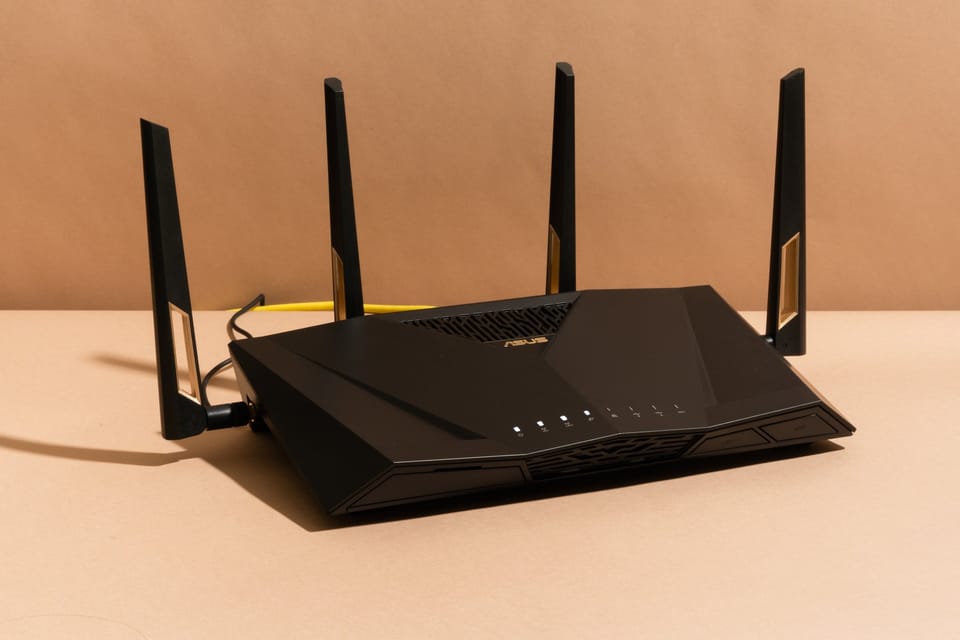

Kickstarting Your Journey to a Better Internet: The Role of Netgear Routers 🌐
Imagine a world where your internet experience is as smooth as a tranquil river, unmarred by the jagged rocks of connectivity issues or forgotten passwords. This is not a far-fetched dream but a reality that's within your grasp, thanks to the magic of routers. These tiny tech marvels are the unsung heroes of our digital lives, tirelessly working behind the scenes to keep us connected. And when it comes to trusted brands, Netgear stands out with its robust performance and user-friendly features. But what happens when your dependable Netgear router stumbles? Our step-by-step guide on how to reset a Netgear router will come to your rescue. Just like how a well-timed reset can revive your internet experience, understanding the art of resetting your device can make you the master of your digital domain. Ready to embark on this journey? Let's dive in!
When and Why Should You Hit the Reset Button on Your Netgear Router? 🔄
Does your Netgear router seem to have taken a nap? Perhaps it's sluggish, dropping connections, or you've simply forgotten the password. No worries! It happens to the best of us. That's where knowing how to reset your Netgear router comes into play. It's like giving your router a fresh start, a clean slate. It's the tech equivalent of a restorative yoga class, but for your router.
If you're experiencing performance issues, resetting your router could be the magic wand that restores your internet speed. It's like a digital detox, getting rid of accumulated cache and unnecessary data. Or maybe you've forgotten your password. Don't sweat it. A reset can clear the way for you to create a new password, without the hassle of security questions. Need more help? Check out our password reset guide or our step-by-step device reset guide.

Before You Press Reset: Essential Steps to Prepare Your Netgear Router 📝
Before hitting that reset button on your Netgear router, it's crucial to get your ducks in a row. Start by confirming your internet connection is stable, as you don't want an intermittent signal disrupting your reset process. Next, arm yourself with necessary details like your login credentials. Lost them? Don't fret! Our practical guide on resetting a Netgear router password without security questions is just what you need.
Also, consider jotting down any specific settings you've customized, as a reset will restore your router to factory defaults. Ever wondered what happens when you press the reset button on your router? It's like giving your device a fresh start, wiping the slate clean of any glitches or hiccups that might be hampering your internet experience. So, are you ready to dive into resetting your Netgear router? Let's get to it!
Before you dive into the reset process, it's crucial to make sure you're prepared. Follow this checklist to ensure a smooth reset:
Great job on completing the preparation steps! You're now ready to proceed with the actual reset of your Netgear router. Let's dive into the step-by-step guide.
Your Foolproof Guide to Resetting a Netgear Router: Step by Step 🛠️
Having prepared for the reset, let's dive into the step-by-step process of resetting your Netgear router.
Your Step-by-Step Guide to Resetting a Netgear Router
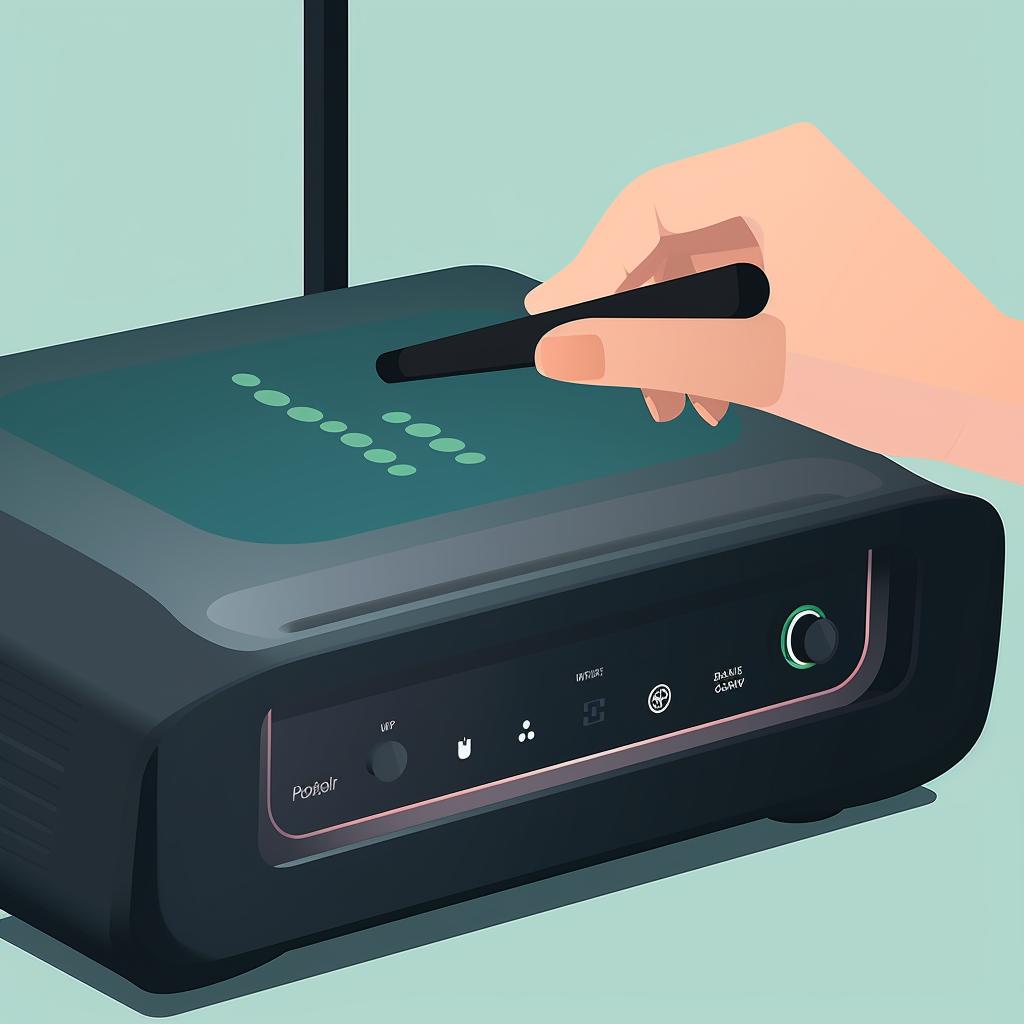


Learn more about 🔧 Your Step-By-Step Guide to Resetting a Netgear Router or discover other How Reset guides.
Great job! You've successfully reset your Netgear router. Now, it's time to set up and secure your router post-reset.
After the Reset: How to Set Up and Fortify Your Netgear Router 🔒
Now that you've reset your Netgear router, let's focus on fortifying your digital fortress. First, change the default password to something unique and complex - this is your first line of defense against unwanted intruders. Next, set up a secure Wi-Fi network; a password-protected network keeps your data safe from prying eyes. Lastly, don't forget to update your router's firmware. Like a well-oiled machine, your router performs best with the latest updates. Wondering how to do all this? We've got you covered with our step-by-step device reset guide.
But what if you encounter issues after the reset? Fear not, our Netgear router troubleshooter is here to help. Remember, a secure router equals a seamless internet experience. So, ready to dive in and maximize your internet experience?
Now that you've reset your Netgear router, it's time to set it up for optimal security. Follow these steps to ensure your router is safe and ready for use:
Securing Your Netgear Router: A Post-Reset Guide




Learn more about 🔒 Securing Your Netgear Router: A Post-Reset Guide or discover other How Reset guides.
Congratulations! You've successfully set up and secured your Netgear router post-reset. Now, let's move on to troubleshooting common post-reset problems.
Solving Post-Reset Puzzles: Troubleshooting Common Netgear Router Issues 🔎
Resetting your Netgear router is not a magic wand that solves all issues instantly. The journey might have a few bumps, but fear not! We're here to help. Let's say you've reset your router, but now you're unable to connect to the internet. Or perhaps, you can't log into your router. These are common post-reset puzzles that can be frustrating, but they're not insurmountable.
Take a deep breath and remember, every tech problem has a solution. Our FAQs are a treasure trove of solutions that can help you navigate through these issues. And if you're facing a unique problem, our network connectivity troubleshooting guide might just have the answer.
Do you remember how you felt when you aced that difficult level on your Xbox? With our resetting device guide, you can conquer these router hiccups with the same confidence!
Now that we've covered the process of resetting your Netgear router and setting it up securely, let's address some common issues you might encounter after the reset. Here are some frequently asked questions and their solutions:
We hope these answers help you troubleshoot any post-reset issues you might encounter. Remember, a well-functioning router is key to a seamless internet experience. Let's wrap up with some final thoughts.
Wrapping Up: Mastering Your Netgear Router for a Seamless Internet Experience 🎓
So, you've voyaged through the realm of router resets, battled the beast of forgotten passwords, and emerged victorious, a true Netgear router troubleshooter. But is the adventure over? Far from it! Your router, freshly reset, is now a blank canvas, a land full of possibilities waiting to be explored.
Who's to say what marvels await you in the realm of optimized Wi-Fi networks, of firmware updates, of fortified security walls? With our password reset guide and step-by-step device reset guides, you're well-equipped to turn your router into a fortress, a beacon of seamless internet connectivity. Dare to take that leap?
Remember, the power to shape your internet experience lies in your hands. And with this newfound knowledge, you're ready to wield it wisely. So, what's your next tech adventure?
Maximizing Your Internet Experience: Resetting and Securing a Netgear Router
Test your knowledge on how to reset and secure a Netgear router with this interactive quiz.
Learn more about 🔒 Maximizing Your Internet Experience: Resetting and Securing a Netgear Router Quiz or discover other How Reset quizzes.

No comments yet. Be the first to share your thoughts!