

Get password recovery right
Before you start the recovery process, verify that you can access the primary email address or phone number linked to the account. Modern security protocols, including Apple Intelligence features and biometric authentication updates, often require a secondary verification step that bypasses biometrics if the device is locked or the passcode is unknown. If you cannot receive a code on your registered phone or open your recovery email, the automated recovery path will likely fail.
Ensure your device is connected to a stable internet connection. Recovery servers may block requests from IPs associated with suspicious activity or frequent failed attempts. If you have recently changed devices or moved to a new location, the system might flag the request. In such cases, wait 24 hours before trying again to avoid triggering a temporary lockout.
Check for pending app updates. Some platforms require the latest version of their security app (like the Google Authenticator or Apple Authenticator) to generate valid time-based codes. If your app is outdated, it may not sync correctly with the server, causing "invalid code" errors during the reset flow. Update the app or switch to SMS verification if available.
Finally, confirm that you know the exact username or email address associated with the account. Guessing or using a similar but incorrect address can lead to account suspension due to brute-force protection mechanisms. If you are unsure, try logging in with the most likely address first; the system will often reveal whether the account exists without exposing sensitive details.
Work through the steps
Password troubleshooting should start with a clear boundary: what is actually broken, and what still works normally. Check the display, network connection, paired devices, app access, and recent updates before assuming the whole system needs a reset. A small connection failure can make the main screen feel unreliable even when the core system is fine. Work from low-risk checks to deeper resets. Confirm power state, safe parking, account access, and signal first. Then restart the interface, wait for it to reload completely, and test the original symptom. Avoid changing multiple settings at once because that makes it harder to know which step actually fixed the problem. If the issue affects safety information, repeats after every restart, or appears with warning messages, treat the reset as a temporary diagnostic step rather than the final fix. Document the symptom and move to official support instead of stacking more DIY attempts.
-
Park and note the symptomPut the system in a safe idle state, then write down whether Password is frozen, blank, slow, disconnected, or only failing in one app.
-
Try the normal restart firstUse the standard screen or interface restart before changing settings, deleting profiles, or disconnecting accessories.
-
Retest one feature at a timeCheck touch response, audio, navigation, phone pairing, Wi-Fi, and app access separately so the failing path is clear.
-
Escalate repeated failuresContact official support when the screen stays black, warnings appear, or the same issue returns after a clean restart.
Fix common mistakes
The shift toward biometric authentication and Apple Intelligence has blurred the line between convenience and security. Users often assume that face ID or fingerprint scans replace the need for a strong password, but these features are merely access gates. If the underlying password is weak or reused, biometrics won’t protect you from account takeover.
Many people also mistake password managers for password vaults that display every saved credential in plain text. While you can view saved passwords, doing so frequently exposes you to shoulder-surfing or accidental leaks on social media. The goal is to use the manager to generate unique, complex strings, not to memorize or share them.
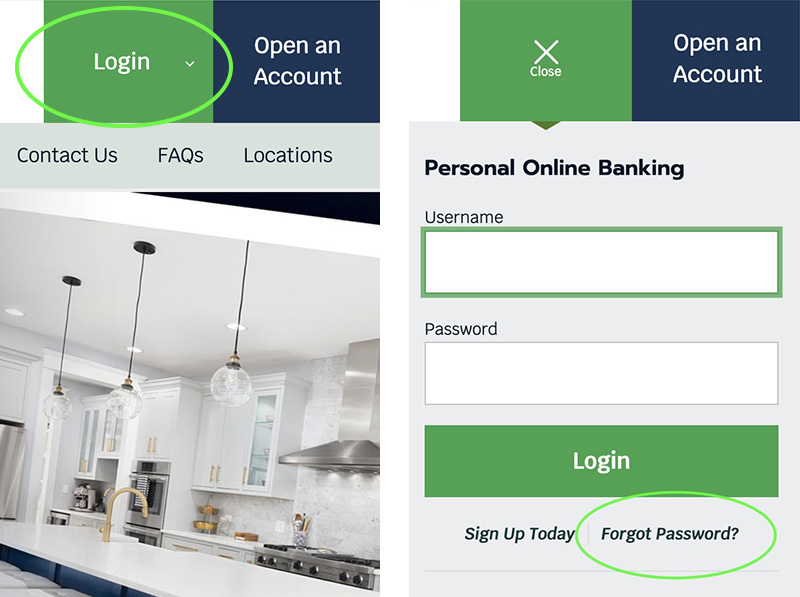
Another frequent error is ignoring the "Forgot Password" flow until the last minute. If you haven’t updated your recovery email or phone number in years, the automated recovery process often fails. You’ll be stuck in a loop of identity verification that can take days or weeks.
Finally, don’t rely on single-factor recovery. If you’ve lost access to your primary email and didn’t set up a secondary recovery method, you’re locked out. Always verify that your account has at least two independent ways to regain access before you rely on biometric shortcuts.
Password recovery: what to check next
Work through Password

No comments yet. Be the first to share your thoughts!