

Start with the simplest fixes
Before you begin the full process of resetting passwords on iPhone 17, try these low-effort solutions. Many lockouts stem from minor glitches rather than lost credentials.
A simple restart clears temporary system errors that might be blocking authentication. If the issue persists, check for keyboard lock issues or sticky keys that could cause typos. These quick checks often resolve access problems without needing complex recovery methods.
If these basic steps don't work, proceed to the detailed 17-step guide below.
17 steps to regain access
Resetting passwords on an iPhone 17 requires a precise sequence to ensure account security and device accessibility. Follow these 17 specific steps to regain access without compromising your data.
-
Restart the device to clear glitches
A simple reboot often resolves temporary software conflicts that interfere with password entry. Force restart your iPhone 17 by quickly pressing and releasing the volume up button, then the volume down button, and finally holding the side button until the Apple logo appears. This clears cached data and resets system processes, potentially fixing minor glitches preventing access without erasing any personal information. -

Check for a locked keyboard
Ensure your on-screen keyboard is fully responsive before attempting complex password resets. Tap the globe icon to switch input languages if the keyboard appears frozen or unresponsive. Sometimes, a stuck virtual key or background app interference causes typing delays. Dismiss all active overlays and restart the keyboard app to ensure smooth character entry during the critical authentication phase. -
Try a connected trusted computer
If your iPhone remains locked, connect it to a previously trusted Mac or PC using a USB cable. iTunes or Finder may prompt you to enter the computer’s password to authorize the device. Once authorized, you can use the computer’s interface to restore or update the iPhone, bypassing the locked screen entirely. This method leverages existing trust relationships to regain administrative control over the device. -
Use the Find My app remotely
Access iCloud.com or another Apple device signed into the same Apple ID to utilize the Find My app. Navigate to the Devices tab and select your locked iPhone 17. Choose the Erase iPhone option, which remotely wipes all data and settings. This action removes the passcode lock, allowing you to set up the device as new or restore from a backup after the process completes. -

Enter recovery mode via buttons
When standard methods fail, force the iPhone into recovery mode using specific button combinations. Quickly press volume up, then volume down, then hold the side button until the recovery screen appears. Connect the device to a computer and choose Restore. This initiates a complete firmware reinstall, eliminating the passcode but requiring a fresh setup and data restoration from a prior backup. -
Connect to a Mac for recovery
Plug the iPhone 17 into a trusted Mac using a USB cable. Trust the computer if prompted, then open Finder to locate the device in the sidebar. Select the iPhone, check "Restore iPhone" to erase data, and reset the password. This method wipes the device but allows you to restore from a recent iCloud or local backup, effectively resetting passwords by starting fresh. -
Connect to a Windows PC for recovery
Install the latest iTunes on a Windows PC and connect the iPhone 17 via USB. Trust the computer when the prompt appears, then select the device icon in iTunes. Choose "Restore iPhone" from the summary tab to erase all content and settings. This process removes the forgotten passcode, allowing you to set up the device as new or restore from a previous backup. -

Use Siri to bypass older iOS
This technique applies only to older iOS versions prior to iOS 10.3.1. Activate Siri by holding the home button and ask for the time or weather. If Siri responds, access the Control Center or Calendar widget to trigger the camera interface. From there, you may exploit a bug to access the home screen without entering the passcode, though this does not work on modern iPhone 17 devices. -
Check for a connected SIM
A locked SIM card can sometimes mimic a device lock, causing confusion during password reset attempts. Remove the SIM tray using the eject tool and inspect the card for damage or improper seating. Reinsert the SIM securely and restart the iPhone 17. If the device unlocks normally, the issue was network-related, not a passcode error, saving you from unnecessary data loss during a full factory reset. -
Verify Apple ID password first
Before attempting complex recovery steps, ensure you know the Apple ID password associated with the device. If "Resetting passwords" refers to the Apple ID rather than the screen passcode, visit iforgot.apple.com on any browser. Enter the Apple ID and follow the verification prompts. This often resolves access issues without erasing the iPhone 17, preserving all local data and settings while restoring account security. -
Use a previously created backup
If you have an iCloud or computer backup, restoring from it allows you to bypass the current lockout by erasing the device and setting it up as new. This method effectively resets passwords by wiping the corrupted or forgotten credentials. Ensure you know your Apple ID password to reactivate the device after the restore completes, securing your data without needing the old passcode. -
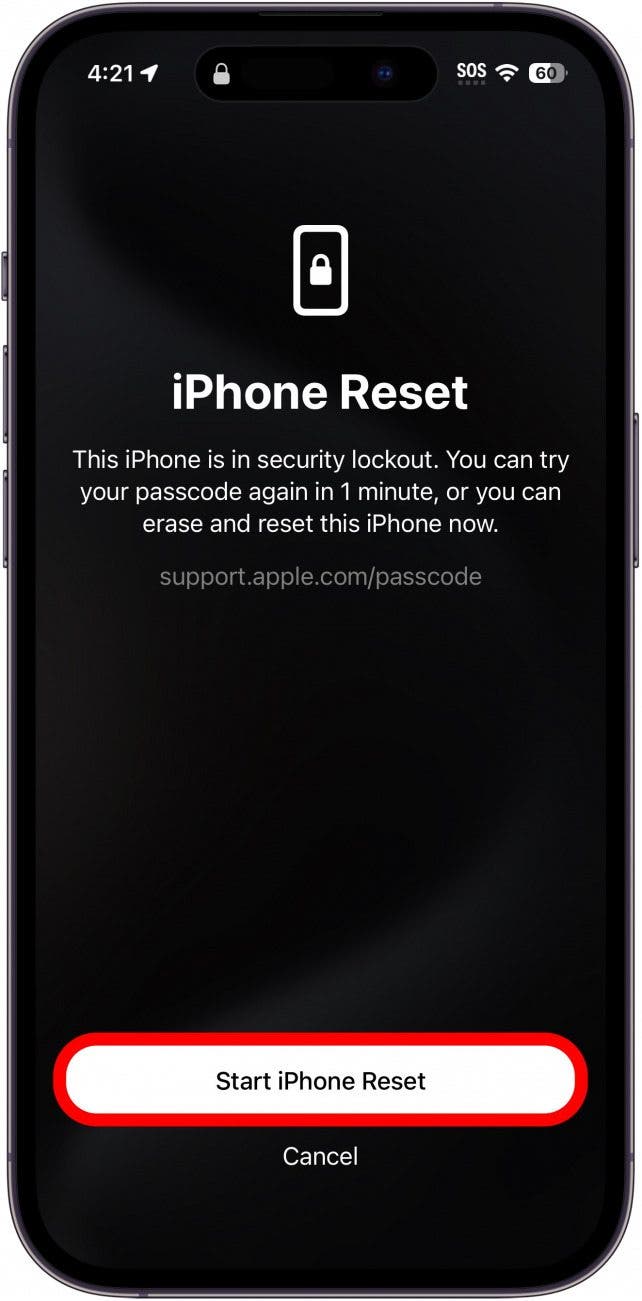
Check for a disabled device message
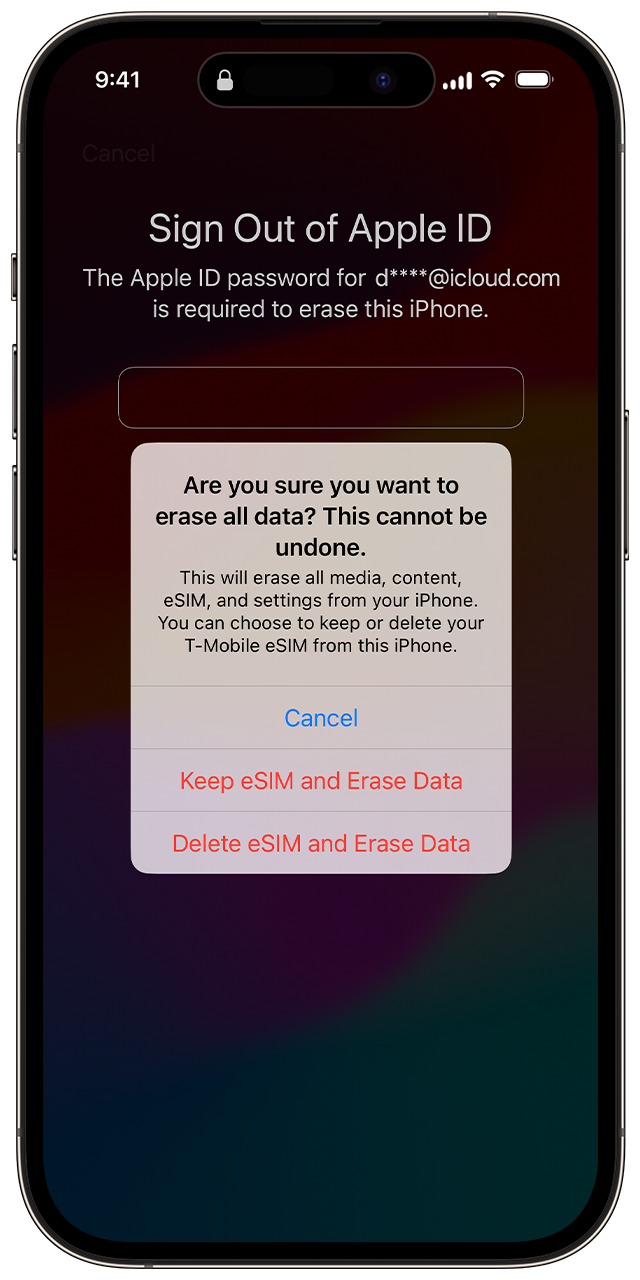
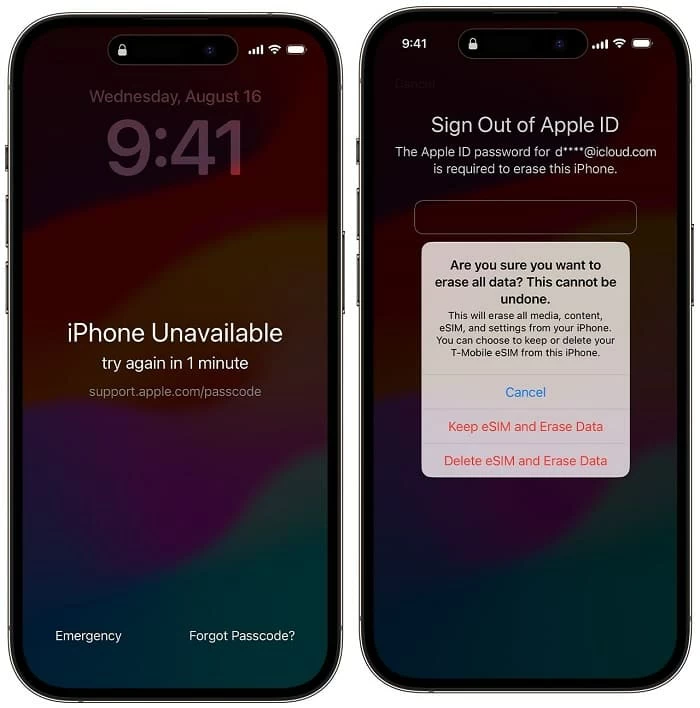
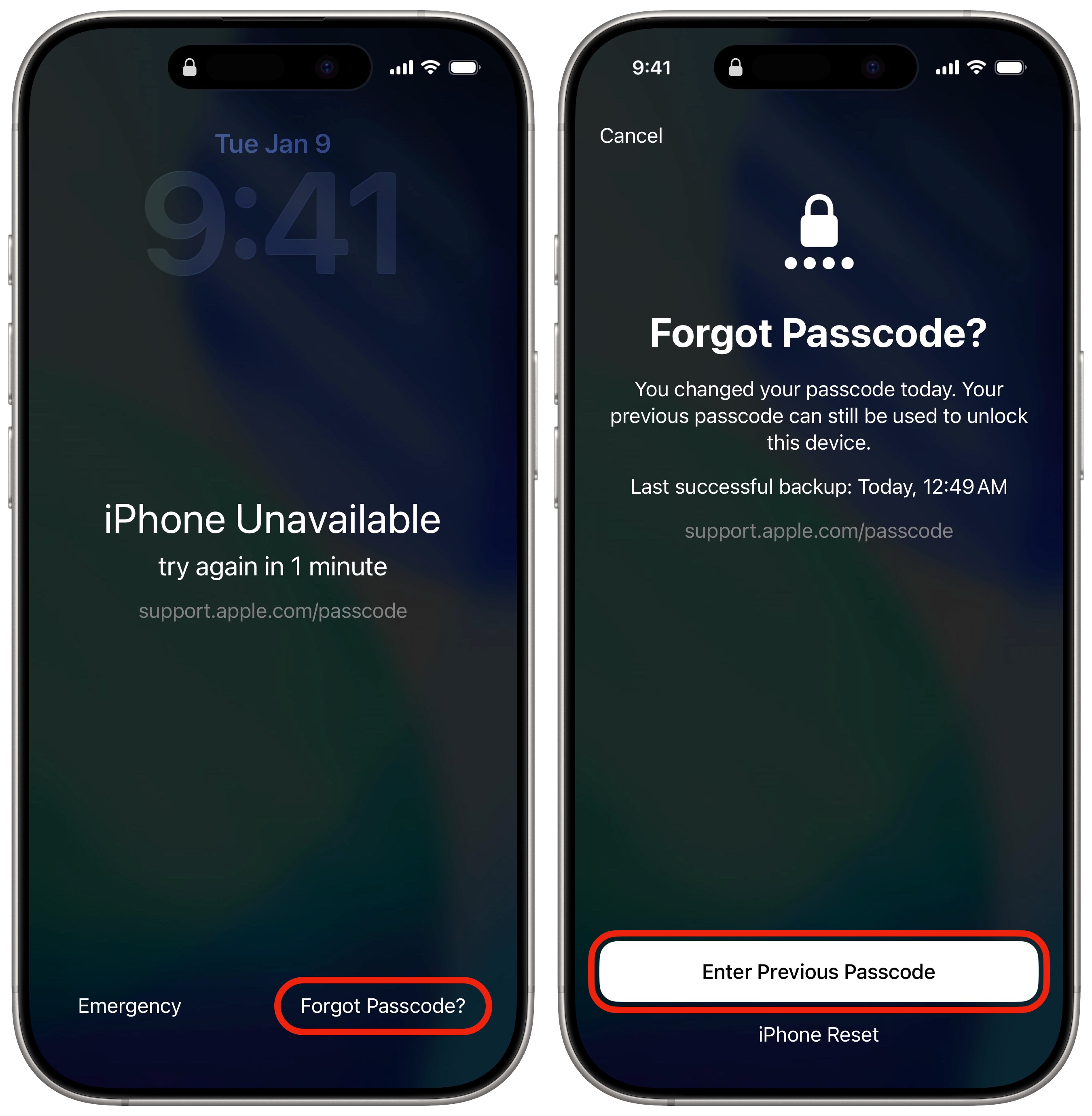
When an iPhone displays "iPhone Unavailable" or "Security Lockout," it indicates too many failed attempts. This message often provides a direct option to erase the device, which is the fastest way to regain access. Acknowledging this specific error state confirms that standard entry methods are blocked, necessitating a full reset to clear the security lock and restore functionality to the phone. -
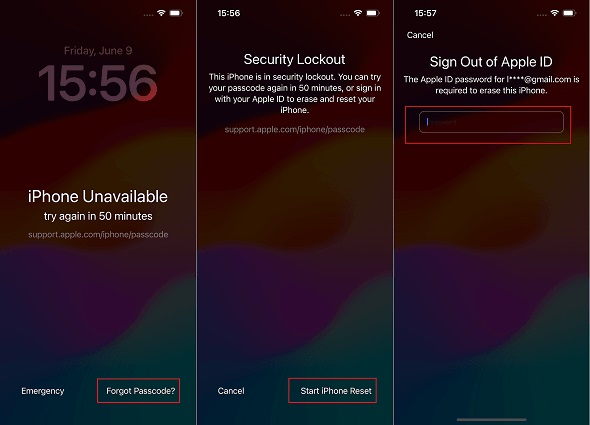
Wait for the countdown timer
Newer iOS versions may show a countdown timer after repeated failures instead of an immediate disable message. You can try entering the correct passcode once the timer expires, which might use the device if you remember it. If the timer leads to a disabled state, use the on-screen "Erase iPhone" button to proceed with resetting passwords and removing the lockout restriction. -
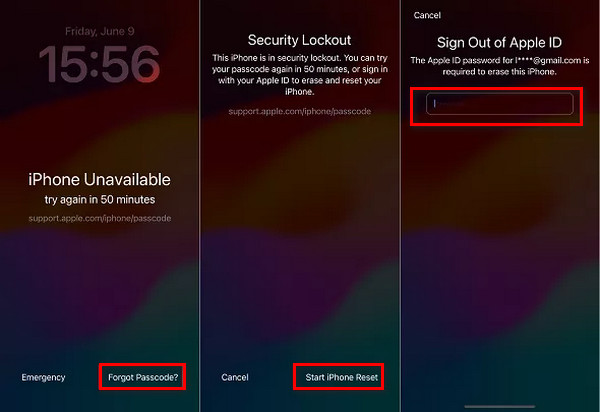
Contact Apple Support directly
When self-service methods fail, Apple Support offers official guidance for complex lockout scenarios. They can verify your identity and provide specific troubleshooting steps tailored to your device status. This channel ensures you follow secure protocols, avoiding potential data loss or security risks associated with unofficial recovery methods. Always have your proof of purchase ready to validate ownership during the support interaction. -

Avoid third-party unlock tools
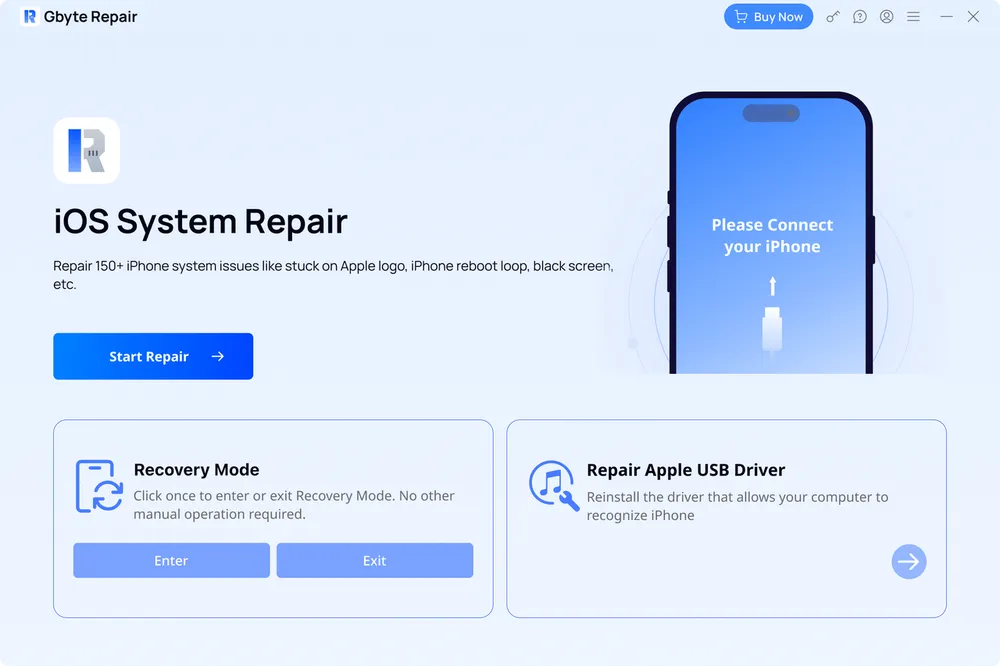
Third-party software claiming to bypass iPhone locks often poses significant security risks, including malware or data theft. These tools rarely work on the latest iOS versions and may permanently damage your device. Stick to official Apple methods like recovery mode or iCloud erase to reset passwords safely. Protecting your personal data is far more important than using unverified shortcuts that compromise your digital security. -
Set up a password reminder
Prevent future lockouts by configuring a secure password reminder within your notes or a dedicated password manager. This simple habit ensures you have a fallback reference without compromising security. Use a unique, non-obvious hint that only you understand, keeping it separate from your actual credentials. This proactive step reduces anxiety and streamlines the process of resetting passwords on iPhone 17 when access is unexpectedly lost. -
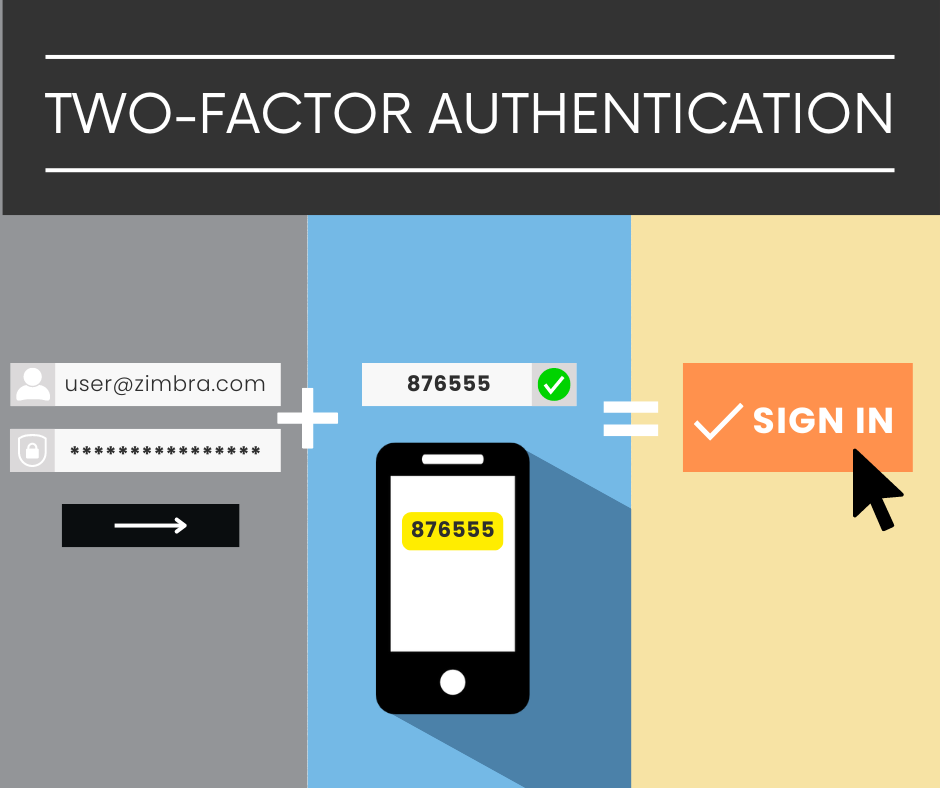
Enable two-factor authentication for security
Strengthen your account defense by activating two-factor authentication immediately after regaining access. This adds a critical second layer of verification, requiring a trusted device or code in addition to your password. It significantly mitigates the risk of unauthorized access, ensuring that even if your primary credential is compromised, your iPhone 17 remains secure against unauthorized resets or logins.

Secure your account after resetting passwords
Resetting passwords is only the first part of the process. Once you regain access to your iPhone 17, you must immediately reinforce your security posture to prevent future lockouts or unauthorized entry. Follow this checklist to ensure your account is fully protected.
- Update your Apple ID password: If you used a recovery key or trusted device to reset your password, sign in to appleid.apple.com to verify the new password is active and update any saved credentials in your keychain.
- Enable two-factor authentication (2FA): If it is not already on, enable 2FA in Settings > [Your Name] > Password & Security. This adds a critical layer of security that requires a verification code from a trusted device.
- Review trusted devices: Check the list of devices associated with your Apple ID. Remove any devices you no longer use or recognize to prevent them from receiving verification codes.
- Update password managers: If you use a third-party password manager, update the stored credentials for your Apple ID and other critical accounts to reflect the new password.
Common iPhone 17 lockout: what to check next
Resetting passwords on iPhone 17 often raises concerns about data safety and account recovery. Understanding how Apple’s security architecture handles lockouts helps you prepare before you start the process.
Does resetting my password delete my data?
No. Resetting your iPhone password or passcode does not erase your photos, messages, or apps. Your data remains on the device. However, if you are forced to erase the iPhone to remove the lock screen (for example, if you forgot the passcode and cannot access Settings), you will lose any data not backed up to iCloud or a computer. Always ensure you have a recent backup before attempting a full device reset.
Can I reset my iPhone without my Apple ID?
You cannot bypass the Activation Lock without the original Apple ID and password. If you are trying to reset an iPhone that is linked to someone else’s account, you must have their credentials. If you have forgotten your own Apple ID password, you can recover it at iforgot.apple.com. Without this, the device remains locked to the previous owner’s account, even after a factory reset.
How long does the reset process take?
The time required depends on your method. Changing a forgotten passcode via the lock screen usually takes 1–2 minutes. Erasing the iPhone and restoring from a backup can take 15–30 minutes for the erase, plus additional time to download your data from iCloud or restore from a computer. If you are resetting via Finder or iTunes, the download and verification steps add to the total duration.
Work through Your iPhone 17 Password



No comments yet. Be the first to share your thoughts!