

Start with the right sign-in page
Your Password on Apple, Google, and Windows troubleshooting should start with a clear boundary: what is actually broken, and what still works normally. Check the display, network connection, paired devices, app access, and recent updates before assuming the whole system needs a reset. A small connection failure can make the main screen feel unreliable even when the core system is fine. Work from low-risk checks to deeper resets. Confirm power state, safe parking, account access, and signal first. Then restart the interface, wait for it to reload completely, and test the original symptom. Avoid changing multiple settings at once because that makes it harder to know which step actually fixed the problem. If the issue affects safety information, repeats after every restart, or appears with warning messages, treat the reset as a temporary diagnostic step rather than the final fix. Document the symptom and move to official support instead of stacking more DIY attempts.
The simplest way to use this section is to keep the setup small, verify each change, and record the stable configuration before adding optional accessories.
Reset a Google Account password
If you are locked out of your Google Account, the recovery process is designed to verify your identity before allowing a new password. You will need access to your recovery email or phone number to complete the steps below. This process is identical whether you are using a phone or a computer.

Navigate to the Google Account password reset page. This is the dedicated entry point for account recovery. If you are already signed in elsewhere, sign out first to ensure you are prompted for the correct login flow.
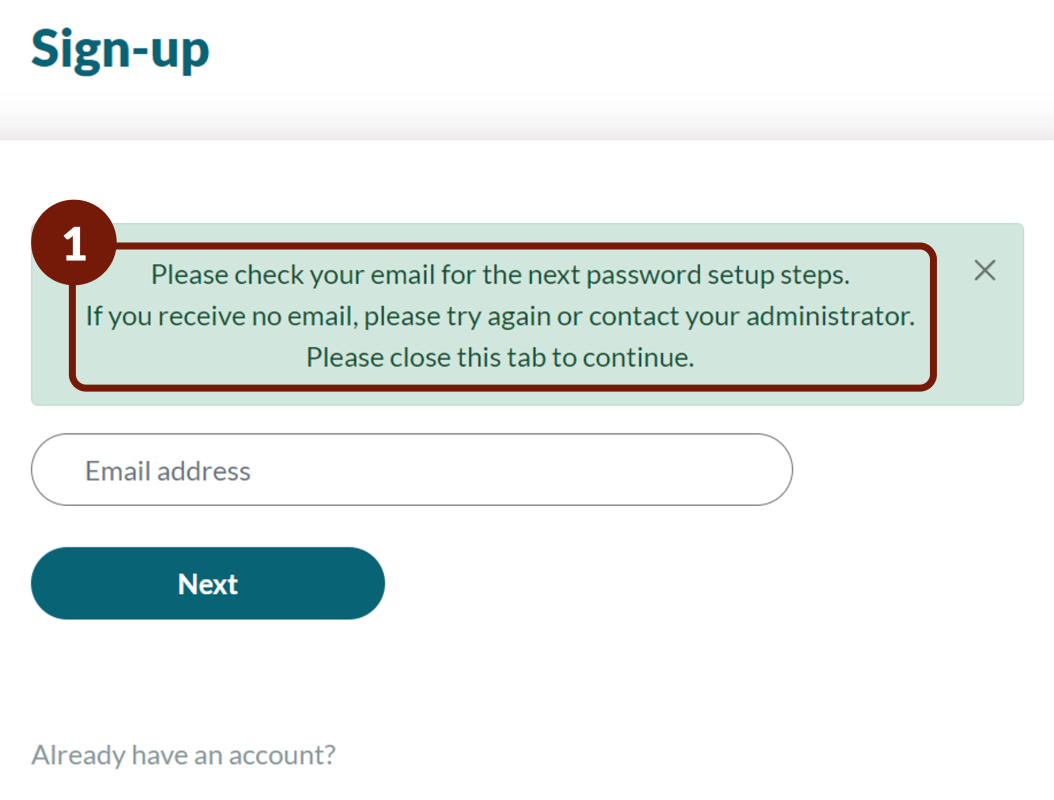
Type the email address or phone number associated with the account. If you have multiple Google Accounts, select the one you need to recover. Google will then determine the available recovery methods based on your security settings.
Google will offer ways to prove it is you. This typically includes:
- Phone: Receive a text message or automated call with a code.
- Recovery Email: Receive a link or code at your backup email address.
- Security Questions: Answer questions you set up previously (less common now). Select the method you currently have access to. If one method fails, try another if available.
Input the code sent to your phone or email immediately. These codes expire quickly, usually within a few minutes. If you do not receive the code, check your spam folder or wait for the "Resend code" option to become available.
Once verified, you will be prompted to create a new password. Choose a strong, unique password that you do not use for other sites. Confirm the new password, and you will be signed in automatically. Consider updating your recovery information while you are in the settings.
Reset a Microsoft Account password
Resetting a Microsoft account password is a straightforward security check designed to verify your identity before granting access to your digital life. Unlike local Windows accounts, Microsoft accounts are cloud-based, meaning the password reset process happens on Microsoft’s servers rather than on your device itself. This ensures your credentials are protected even if your computer is compromised.
The process relies heavily on multi-factor authentication. You will need access to the recovery email address or phone number linked to your account. Without these, the recovery flow becomes significantly more complex and may require additional identity verification steps. Ensure your contact information is up to date before you start.
Open your web browser and go to the Microsoft account sign-in page at account.microsoft.com. Enter your email address, phone number, or Skype name associated with the account. Click "Next" to proceed to the password prompt.
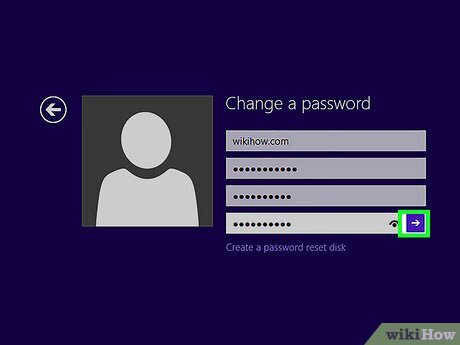
Below the password field, click the "Forgot password?" link. This action redirects you to the Microsoft account recovery center. You will be asked to confirm the email address or phone number you wish to use for verification. Choose the most accessible option from your list of associated recovery methods.
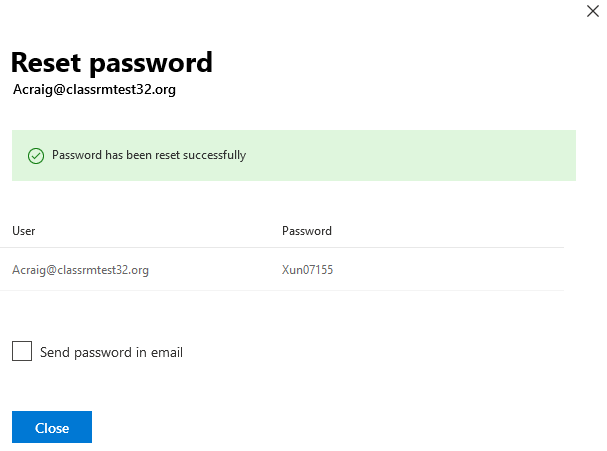
Microsoft will send a security code to your chosen recovery email or phone number. Check your inbox or text messages for this code. Enter the code into the provided field on the recovery page. This step is critical; if you do not receive the code, verify that your contact information is correct or try an alternative recovery method.
Once the code is verified, you will be prompted to create a new password. Choose a strong, unique password that you haven't used before. Confirm the new password by typing it again. Microsoft will immediately update your account credentials.
Return to the sign-in page and log in using your email address and the new password you just created. If you are using a Windows PC, you may need to sign out of the Microsoft account in Settings > Accounts > Your info and sign back in to sync the new credentials across your device.
After resetting your password, it is important to update any saved passwords on your devices. Your phone, tablet, or other computers may still be trying to use the old password for email or cloud services. Updating these credentials ensures seamless access to your Microsoft account across all your devices.
If you encounter issues during the reset process, such as not receiving the security code or being locked out despite multiple attempts, Microsoft may require additional verification. In such cases, follow the on-screen prompts to provide more personal information to prove your identity. This extra step helps protect your account from unauthorized access.
Reset an Apple ID password
For most Your Password on Apple, Google, and Windows glitches, start with the least invasive restart and then retest the exact feature that failed. If the display froze, confirm touch response, climate controls, navigation, audio, and phone pairing after the reboot. If the issue was connectivity, test Wi-Fi, cellular signal, Bluetooth, and the companion app separately so one weak connection does not look like a full system failure. If the problem returns immediately, look for a pattern instead of repeating the same reset. Recent updates, low signal, a newly paired phone, a USB accessory, or a profile sync issue can all make the failure look random. Remove one variable at a time, then give the system a few minutes to reload before judging the result. Escalate when the screen stays black, the same warning returns, basic controls are unavailable, or the reboot only works for a few minutes. At that point the most useful thing you can provide is a short log: time, software version, exact symptom, what reset you tried, and whether the car or device was parked and awake.
-
Park and note the symptomPut the system in a safe idle state, then write down whether Your Password on Apple, Google, and Windows is frozen, blank, slow, disconnected, or only failing in one app.
-
Try the normal restart firstUse the standard screen or interface restart before changing settings, deleting profiles, or disconnecting accessories.
-
Retest one feature at a timeCheck touch response, audio, navigation, phone pairing, Wi-Fi, and app access separately so the failing path is clear.
-
Escalate repeated failuresContact official support when the screen stays black, warnings appear, or the same issue returns after a clean restart.
Check for connected device sessions
Resetting your password invalidates the old one, but it doesn’t automatically log you out of every device that was previously logged in. Many services keep sessions active for weeks or months, leaving your account accessible to anyone who had physical access to an older phone or laptop. To fully secure your account, you must manually terminate these active sessions.
Start by reviewing the list of active devices in your account settings. On Apple, go to Settings > [Your Name] > Password & Security. On Google, visit myaccount.google.com/security and check "Your devices." On Windows, go to Settings > Accounts > Your info and select "Manage my Microsoft account" to view recent activity. Look for any devices you don’t recognize or haven’t used in a while.
If you find suspicious activity, revoke access immediately. Most platforms offer a "Sign out of all other devices" option. This forces a re-authentication on every device except the one you’re currently using. After signing out, update your saved passwords in your browser’s password manager to ensure you’re using the new credentials everywhere.
-
Log out of other devices
-
Update saved passwords in browser
-
Verify 2FA settings are active
Common recovery errors and fixes
Even with the right steps, password resets can hit roadblocks. These are the most frequent hiccups and how to clear them quickly.
If you don’t see the verification code, check your spam or junk folder first. The email might have been filtered. For SMS codes, wait at least 60 seconds before requesting a new one; carriers sometimes delay delivery. If you still don’t receive it, ensure your phone number is correct in your account settings.
Too many failed attempts can trigger a temporary lock for security. Wait 24 hours before trying again, or use the “I don’t know my password” option to start a fresh recovery flow. Google’s account recovery page is a reliable starting point for this process.
If you can’t recall the answer to your security question, don’t keep guessing. This often leads to further locks. Instead, look for alternative verification methods like a backup email or phone number. If none are available, you may need to verify your identity through other means provided by the platform.
No comments yet. Be the first to share your thoughts!