

Get resetting passwords right
For most Your Apple ID Password glitches, start with the least invasive restart and then retest the exact feature that failed. If the display froze, confirm touch response, climate controls, navigation, audio, and phone pairing after the reboot. If the issue was connectivity, test Wi-Fi, cellular signal, Bluetooth, and the companion app separately so one weak connection does not look like a full system failure. If the problem returns immediately, look for a pattern instead of repeating the same reset. Recent updates, low signal, a newly paired phone, a USB accessory, or a profile sync issue can all make the failure look random. Remove one variable at a time, then give the system a few minutes to reload before judging the result. Escalate when the screen stays black, the same warning returns, basic controls are unavailable, or the reboot only works for a few minutes. At that point the most useful thing you can provide is a short log: time, software version, exact symptom, what reset you tried, and whether the car or device was parked and awake.
The simplest way to use this section is to keep the setup small, verify each change, and record the stable configuration before adding optional accessories.
Work through the steps
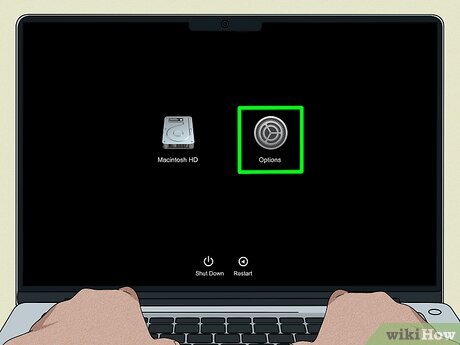
Resetting your Apple ID password on iOS 19 or macOS Sequoia is a straightforward process, but the exact path depends on whether you can access a trusted device. Apple prioritizes account security, so you will need to verify your identity through a phone number, email, or an existing Apple device. If you have lost access to all your devices and recovery information, the process becomes more complex and may require contacting Apple Support directly.
For most users, the fastest way to reset your password is through the Settings app on an iPhone, iPad, or Mac that is already signed in. This method skips the email verification step because the device itself acts as proof of ownership. If you are locked out of all devices, you will need to use the Apple ID account recovery page on a web browser or a non-Apple device.
Step 1: Start the reset process on a trusted device
If you have an iPhone or iPad running iOS 19, open the Settings app and tap your name at the top. Select Sign-In & Security, then tap Change Password. You will be prompted to enter your device passcode to confirm your identity. Once verified, you can create a new password immediately.
On macOS Sequoia, open System Settings and click your name in the sidebar. Select Sign-In & Security, then click Change Password. Enter your Mac login password or use Touch ID to authorize the change. This method is the most reliable because it uses the device’s secure enclave to validate your identity without needing external verification.
Step 2: Use the Apple ID website if you are locked out
If you cannot access any trusted Apple devices, go to iforgot.apple.com on any web browser. Enter your Apple ID email address and click Continue. Apple will ask how you want to verify your identity. You can choose to receive a verification code via text message or phone call to a trusted phone number, or via email to a recovery address.
Select the verification method you have access to and enter the code when prompted. If you do not have access to your trusted phone number or email, click I don’t have access to these to see other options, such as using a recovery key or starting an account recovery process, which may take several days.
Step 3: Create and confirm your new password
After verifying your identity, you will be prompted to create a new password. Apple requires passwords to be at least eight characters long and include a combination of uppercase letters, lowercase letters, and numbers. For better security, consider using a passphrase or a password manager to generate a strong, unique password.
Enter your new password twice to confirm it. If you are resetting on a web browser, you may be asked to re-enter your Apple ID password one more time to finalize the change. Once completed, your password is updated across all Apple services.
Step 4: Update saved passwords on other devices
Changing your Apple ID password does not automatically update passwords saved in your iCloud Keychain on other devices. You will need to sign out and back into iCloud on each Mac, iPhone, iPad, or Windows PC to refresh the saved credentials. If you use a third-party password manager, ensure it is synced with your new Apple ID password.
On iOS 19 and macOS Sequoia, you can also update your Wi-Fi passwords and website logins stored in Keychain by going to Settings > [Your Name] > iCloud > Keychain and ensuring it is enabled. This helps prevent sync errors and keeps your saved logins secure.
Step 5: Verify the reset was successful
To confirm your password change worked, try signing in to icloud.com or the App Store with your new credentials. If you are signed in on other devices, you may see a prompt asking you to enter the new password. Enter it to complete the sync across your ecosystem.
If you encounter errors, ensure that your device’s date and time settings are correct, as incorrect system time can cause authentication failures. If problems persist, contact Apple Support with your proof of purchase and identity verification ready.
Checklist for a smooth reset
-
Have your trusted phone number or recovery email ready.
-
Ensure your device is connected to Wi-Fi or cellular data.
-
Create a strong, unique password that meets Apple’s requirements.
-
Update saved passwords on all signed-in devices after the reset.
-
Verify login success on icloud.com or the App Store.
Common Mistakes When Resetting Your Apple ID Password
Resetting your Apple ID password is straightforward, but small errors during the process can lock you out or compromise your account security. Avoid these frequent pitfalls to ensure a smooth recovery.
Ignoring Device-Specific Requirements
Apple often requires verification on a trusted device or phone number linked to your account. If you skip this step or use an untrusted device, the reset may fail or trigger additional security holds. Always use a device you’ve previously signed in with, or ensure your phone number is accessible for two-factor authentication codes.
Using Weak or Reused Passwords
After resetting, avoid choosing a password you’ve used before or one that’s easy to guess. Apple enforces strong password policies, but weak passwords are vulnerable to brute-force attacks. Create a unique, complex password that includes uppercase, lowercase, numbers, and symbols. Consider using a password manager to generate and store it securely.
Skipping Account Recovery Confirmation
Some resets require confirming your identity via email or SMS. If you miss this confirmation or enter incorrect details, the reset won’t complete. Double-check the email address or phone number associated with your Apple ID before initiating the reset. If you no longer have access, update your recovery contact or trusted device in advance.
Not Signing Out of Other Devices
After resetting, your Apple ID signs out of other devices for security. If you don’t re-sign in promptly, you may lose access to iCloud data, App Store purchases, or Find My. Re-sign in on each device immediately after the reset to restore full functionality.
Resetting passwords: what to check next
Here are answers to the most common questions about Apple ID password resets.
How do you reset passwords?
Apple does not allow you to see your current password for security reasons. Instead, you must reset it to a new one. On iOS 19 or macOS Sequoia, go to Settings > [Your Name] > Password & Security > Change Password. You will need to enter your device passcode to verify your identity before creating a new password.
Is it good to reset passwords?
Resetting your password is a good idea if you suspect unauthorized access, if the password was compromised in a data breach, or if you haven't changed it in several years. It is not necessary to reset it regularly if you are using a strong, unique password and two-factor authentication. Frequent resets can lead to weaker passwords if you reuse variations of the same phrase.
How do I reset my password without losing everything?
Changing your Apple ID password does not delete any of your data. Your photos, contacts, purchases, and app data remain safe. However, you will need to re-enter the new password on all your signed-in devices. iCloud Keychain passwords for websites and apps may need to be updated manually if they do not sync automatically.
How do I reset all the passwords?
Apple ID password resets are specific to your Apple account. To reset passwords for other services like Gmail, Netflix, or your bank, you must visit each service individually. There is no single button to reset all internet passwords. Use a password manager to generate and store unique passwords for each account, making individual resets easier if needed.
Work through Your Apple ID Password

No comments yet. Be the first to share your thoughts!