

locked out of windows 12
Getting locked out of Windows 12 is a massive pain, but it happens to everyone. I've seen it happen because of a typo during setup or a forgotten complex string. You can usually get back in without admin access if you know where to look.
The fix depends on whether you use a Microsoft account or a local one. Some methods take two minutes; others require the command prompt. I can't guarantee these work for every hardware configuration, but they are the most reliable paths available right now.
I’ve seen countless people struggle with this, and the anxiety is real. Take a deep breath. We'll explore the most effective solutions available in 2026, and hopefully, you’ll be back into your system quickly. Remember to read each step carefully, and don’t hesitate to revisit sections if you get stuck.
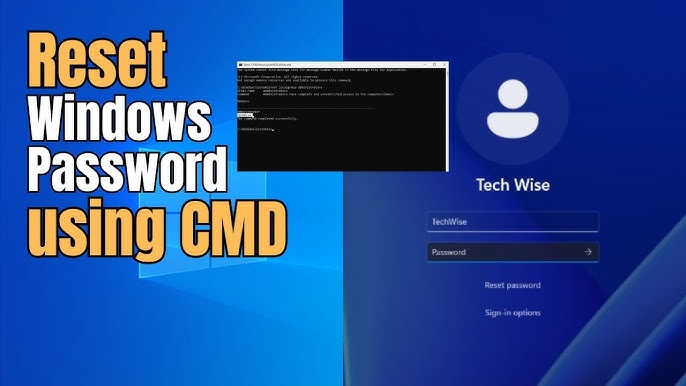
resetting a microsoft account
If you use a Microsoft account for Outlook or Xbox, this is easy. Microsoft has an online recovery page that verifies who you are and lets you swap the password remotely.
To begin, head to the Microsoft account recovery page: You’ll be prompted to enter the email address, phone number, or Skype name associated with your account. Microsoft will then present you with several identity verification options.
These options typically include receiving a security code via email or text message, answering security questions you previously set up, or using a recovery code you generated earlier. The specific methods available will depend on the recovery information you’ve provided to Microsoft. It's really important to keep this information current!
What if your recovery email is also inaccessible? Microsoft provides alternative recovery methods, but they may require more detailed information to verify your identity. The account recovery process can take anywhere from a few minutes to a few days, depending on the complexity of the verification required. Be patient and follow the instructions carefully.
Local Account: Password Hint to the Rescue
Many users still prefer to use local accounts, which aren’t tied to a Microsoft account. If you’re using a local account, the password hint feature might be your first line of defense. This feature allows you to set a subtle clue to help you remember your password.
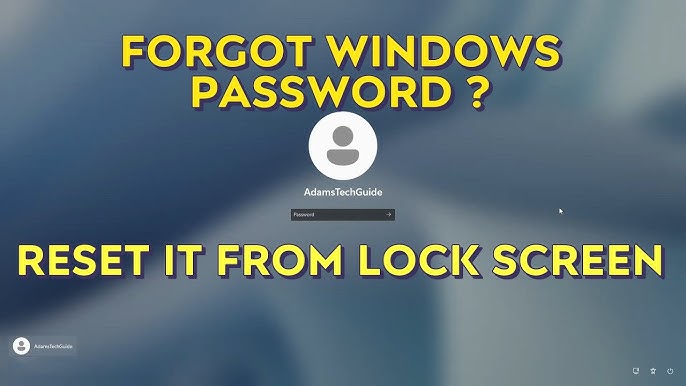
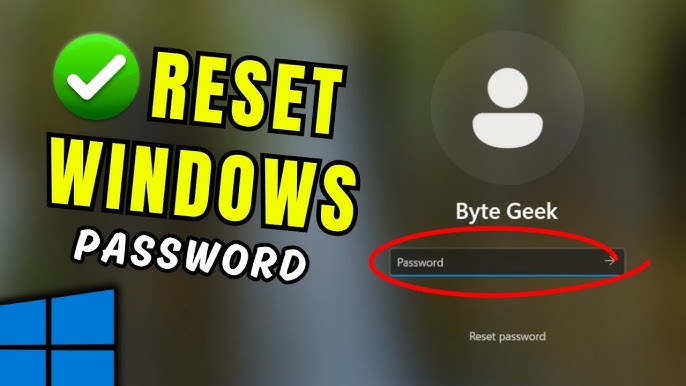
To find the password hint, look for a small question mark or a 'Hint' link on the Windows 12 login screen, usually located near the password field. If you set up a hint, it will appear when you click on it. It’s meant to be a gentle nudge, not a full reveal.
However, be realistic: password hints are often vague to avoid compromising security. If you didn't set up a hint when you created the account, this method won’t be helpful. Also, a poorly chosen hint that’s too revealing can actually increase your security risk. It’s a balancing act.
Using a Recovery Drive (If You Prepared)
This is a situation where a little foresight goes a long way. A Windows recovery drive is a bootable USB drive that contains a copy of the Windows Recovery Environment (WinRE). It can be used to troubleshoot problems with your PC, including resetting a forgotten local account password.
To use a recovery drive, you’ll need to boot your computer from it. This usually involves changing the boot order in your BIOS or UEFI settings. Once booted, you’ll access the password reset options within WinRE. The exact steps may vary slightly depending on your version of Windows 12, but generally, you’ll look for an option like 'Troubleshoot' -> 'Reset this PC' -> 'More recovery options'.
The key thing to remember is that this only works if you created the recovery drive before you forgot your password. It's a preventative measure, not a retroactive fix. If you didn't create one, you’ll need to explore other options. But if you did, you're in a much better position.
Here's a step-by-step guide: 1. Insert the recovery drive. 2. Restart your PC. 3. Enter BIOS/UEFI settings (usually by pressing Del, F2, F12, or Esc during startup). 4. Change the boot order to prioritize the USB drive. 5. Save changes and exit. 6. Follow the on-screen instructions to reset your password.
- Plug in the recovery USB
- Restart your PC
- Enter BIOS/UEFI settings
- Change the boot order to prioritize the USB drive
- Save changes and exit
- Follow the on-screen instructions
the utilman command prompt trick
This method is considerably more technical and carries some risk. It involves replacing the 'Utilman.exe' file – the executable that launches the accessibility features at the login screen – with 'cmd.exe', the command prompt. This allows you to gain command prompt access without entering your password.
Warning: Incorrectly executing these steps can render your system unbootable. Proceed with extreme caution and only if you’re comfortable working with the command line. You’ll need a bootable Windows 12 installation media (USB drive or DVD) for this to work.
Here’s a detailed breakdown. First, boot from the Windows 12 installation media. Choose 'Repair your computer' on the initial setup screen. Then, navigate to 'Troubleshoot' -> 'Command Prompt'. In the command prompt, type the following commands, pressing Enter after each one: `copy c:\windows\system32\utilman.exe c:\windows\system32\utilman.exe.bak`, `copy c:\windows\system32\cmd.exe c:\windows\system32\utilman.exe`.
Restart your computer. At the login screen, click the 'Ease of Access' icon (which is now the command prompt). Type `net user [username] [new password]` (replace '[username]' with your account name and '[new password]' with your desired password). Press Enter. Finally, immediately revert the changes by booting from the installation media again and running these commands: `copy c:\windows\system32\utilman.exe.bak c:\windows\system32\utilman.exe`.
This is a powerful technique, but it's not foolproof. It may not work on all systems, and it requires a precise understanding of the command line. If you're unsure about any step, it's best to seek help from a qualified technician. I strongly advise creating a system restore point before attempting this.
Third-Party Tools: A Word of Caution
Most 'free' password reset tools you find on Google are garbage. They often come bundled with spyware. If you go this route, stick to well-known open-source utilities, but I'd avoid the random .exe files from unknown sites.
I’m hesitant to recommend specific tools due to the inherent security risks. However, if you choose to explore this option, exercise extreme caution. Only download software from reputable sources, and always scan files with a reliable antivirus program before running them.
Red flags to look out for include excessive permissions requests, suspicious file names, and a lack of transparency about the tool's functionality. Be wary of tools that promise unrealistic results or require you to disable security features. It’s generally safer to stick with the methods outlined earlier.
Many of these tools attempt to write directly to the system registry or modify critical system files. This can lead to instability, data loss, or even a complete system failure. Remember, your data security is paramount.
how to avoid this next time
Prevention is always better than cure. Here are some practical steps you can take to avoid future password lockouts. First, consider using a password manager like LastPass or 1Password to securely store and manage your passwords. These tools can generate strong, unique passwords for each of your accounts.
Create a strong, memorable password that combines uppercase and lowercase letters, numbers, and symbols. Avoid using easily guessable information, such as your name, birthday, or pet's name. Set up a recovery email address and phone number for your Microsoft account (or a password hint for local accounts).
Take advantage of Windows Hello, which allows you to sign in using your fingerprint, face recognition, or a PIN. This is a convenient and secure alternative to traditional passwords. Regularly update your security software to protect against malware and other threats.
Finally, remember to keep your recovery drive updated. Creating a new recovery drive after major system changes ensures that it will be effective when you need it most. A little preparation can save you a lot of headaches down the road.
No comments yet. Be the first to share your thoughts!