

Windows 12 password recovery
Windows 12 security is tighter than previous versions. The old tricks for Windows 10 or 11 usually fail here because Microsoft changed how the kernel handles local authentication bypasses in the 2026 update.
A major concern during a password reset is data security and the potential for data loss. Many solutions marketed online promise quick fixes, but they often come with risks – malware, instability, or even complete data erasure. We’re focusing on legitimate methods provided by Microsoft or built into the operating system itself. This guide won’t show you how to crack a password; it’s about recovering access to an account you legitimately own.
You have three main paths: security questions for local accounts, the Microsoft account recovery portal, or the command prompt via the recovery environment. I recommend setting up a physical reset disk now if you are still logged in.
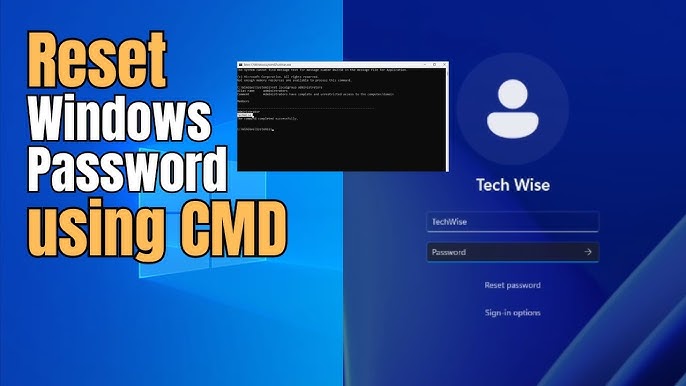
Local Account Reset Using Security Questions
If you created a local account in Windows 12 and configured security questions, this is often the easiest way to regain access. This method depends entirely on you having accurately set up those questions and remembering the answers. From the Windows 12 login screen, after entering an incorrect password, you should see a "Reset password" link. Clicking this, if your account is set up for it, will initiate the security question process.
The system will present you with the questions you defined during account creation. Answer them accurately – capitalization and spelling matter. If you answer all questions correctly, you’ll be prompted to create a new password. Choose something strong and memorable, or consider using a password manager. Remember, a weak password defeats the purpose of good security.
However, this method isn’t foolproof. If you’ve forgotten the answers to your security questions, or if you never set them up, you’re out of luck. Also, if someone else has access to your computer, they could potentially guess your answers. Microsoft's support documentation (support.microsoft.com) confirms this remains a valid method for local accounts, but stresses the importance of accurate setup.
Troubleshooting common issues includes ensuring your keyboard layout is correct (especially if you use multiple languages) and double-checking for typos. If you're still locked out, you'll likely need to explore other options, as the security questions are your only local recovery path.
Microsoft Account Recovery Options
If you use a Microsoft account to log into Windows 12, the recovery process is different – and often more involved. Unlike local accounts, there's no simple security question reset. Instead, you’ll rely on Microsoft’s online account recovery form, accessible through the Microsoft account website. The link is typically presented on the login screen after several failed attempts, or you can find it by searching "Microsoft account recovery" online.
The recovery form asks for information to verify your identity. This can include your date of birth, the last four digits of your credit card (if you’ve made purchases through Microsoft), and details about recent account activity. The more information you can provide, the better your chances of success. Microsoft uses this data to assess the likelihood that you are the legitimate owner of the account.
Two-factor authentication (2FA) plays a significant role here. If you’ve enabled 2FA – and you absolutely should – you’ll need access to your chosen verification method (Authenticator app, phone number, or security key) to complete the recovery process. If you’ve lost access to your 2FA method and your password, recovery becomes considerably more difficult.
Microsoft’s recovery process is slow. Expect to wait anywhere from 24 hours to a full week for a manual review if you don't have 2FA active. Users on the Microsoft Q&A forums frequently report that accounts with no recent login history take the longest to verify.
- Open the Microsoft account recovery page on a separate device.
- Provide as much accurate information as possible.
- Follow the instructions for verifying your identity.
- If 2FA is enabled, provide your verification code.
- Wait for Microsoft to review your request and grant access.
Password Reset Disk: A Pre-emptive Solution
A password reset disk is a USB drive you create while you still have access to your Windows 12 account. It contains information that allows you to reset your password if you forget it. To create one, search for "create a password reset disk" in the Windows search bar and follow the on-screen instructions. The process is straightforward, but it requires a USB drive with sufficient storage space.
Using the reset disk is also simple. When you’re locked out of your account, insert the USB drive and follow the prompts on the login screen. You’ll be guided through the process of creating a new password. It's a quick and easy solution, but it has limitations.
Crucially, a password reset disk only works for local accounts. It won’t help you reset a Microsoft account password. Also, it only works for the specific computer on which the disk was created. You can’t use a reset disk created on one computer to unlock an account on another. As of late 2026, Microsoft has not removed this feature but it is becoming less prominent.
This is a proactive measure. It requires foresight to create the disk before you forget your password. If you haven’t created one, it’s too late. However, if you’re prone to forgetting passwords, it’s a worthwhile precaution.
Using Another Administrator Account
If your computer has multiple user accounts, and at least one of them has administrator privileges, you can use that account to reset the password of a locked-out account. Log in to the administrator account, then press `Win + R` to open the Run dialog. Type `netplwiz` and press Enter. This opens the User Accounts window.
In the User Accounts window, select the account whose password you want to reset. Click the "Reset Password…’ button. You"ll be prompted to enter a new password for the selected account. Choose a strong password and confirm it.
This method requires you to have access to another administrator account. If you don’t, or if all administrator accounts are locked out, this option won’t work. Also, be aware of User Account Control (UAC) prompts. You may need to approve administrative actions to complete the password reset. Permissions issues can sometimes arise if the administrator account has restricted privileges.
If you encounter issues, double-check that the account you’re trying to reset is actually a standard user account and not another administrator account. Accidentally resetting an administrator password could lock you out.
Command Prompt Reset (Advanced Users)
This method is for technically proficient users only. It involves using the command prompt from the Windows Recovery Environment (WinRE) to reset the password. Incorrect commands can damage your system, so proceed with extreme caution. First, you need to boot into WinRE. You can usually do this by repeatedly interrupting the Windows startup process (powering off and on the computer several times during boot).
Once in WinRE, navigate to Troubleshoot > Advanced options > Command Prompt. This will open a command prompt window. Type `net user [username] [new password]` and press Enter, replacing `[username]` with the account name and `[new password]` with the desired new password. For example: `net user JohnDoe Password123`.
After entering the command, press Enter. If successful, you’ll see a message confirming that the command completed successfully. Restart your computer and log in with the new password. Be extremely careful with syntax. A single typo can render the command ineffective or even cause system instability.
This method bypasses many of the security measures built into Windows, which is why it’s considered an advanced technique. It’s also the method most often exploited by malware, so be sure your system is clean before attempting it. A YouTube video from TechWise (youtube.com) demonstrates a similar process for older Windows versions, but the commands remain largely the same for Windows 12.
- Boot into the Windows Recovery Environment (WinRE).
- Open the Command Prompt.
- Type `net user [username] [new password]` and press Enter.
- Restart your computer and log in with the new password.
Command Prompt Password Reset Commands
The most reliable method for resetting Windows passwords without data loss is using the built-in net user command through Command Prompt. This approach works directly with Windows user management system and preserves all user data, settings, and file permissions. You'll need administrator access to execute these commands successfully.
# Method 1: Reset password for a specific user account
# Replace 'username' with the actual username you want to reset
net user username newpassword

# Example: Reset password for user 'john' to 'TempPass123!'
net user john TempPass123!

# Method 2: Reset password and force user to change it on next login
# This adds security by requiring the user to set their own password
net user username newpassword /passwordchg:yes

# Example with password change requirement
net user sarah TempPass456! /passwordchg:yes

# Method 3: View all user accounts on the system first
# Use this to identify the correct username before resetting
net user

# Method 4: Get detailed information about a specific user
# Helpful to verify account status before password reset
net user username

# Example: Check details for user 'mike'
net user mike

# Method 5: Reset password using asterisk for secure input
# Windows will prompt you to enter the password without displaying it
net user username *

# Important: Run Command Prompt as Administrator for these commands to work
These commands modify only the password authentication while leaving all user data intact. The net user command is a native Windows utility that has been consistent across Windows versions. Always use strong passwords that meet your organization's security requirements. After resetting a password, consider enabling the passwordchg option to ensure users create their own secure passwords on first login. Remember to document any temporary passwords securely and communicate them through safe channels.
Avoiding data loss during a reset
The good news is that most password reset methods outlined above do not result in data loss. Resetting your password typically only changes the authentication credentials; it doesn’t erase your files or settings. However, there are scenarios where data recovery might be necessary.
If you’ve attempted multiple unsuccessful reset methods, or if you’ve encountered errors during the process, there’s a small risk of data corruption. In such cases, you might need to use a data recovery tool to retrieve your files. Several reputable tools are available, such as Recuva, EaseUS Data Recovery Wizard, and Stellar Data Recovery.
These tools aren’t free, and their success rates aren’t guaranteed. The cost varies depending on the features and the amount of data you need to recover. It’s crucial to choose a reputable tool and follow the instructions carefully. Attempting to recover data yourself, without proper knowledge, can further damage your files.
The best way to avoid data loss is to have a regular backup strategy. Back up your important files to an external hard drive, a cloud storage service, or both. This way, even if you encounter a catastrophic failure during a password reset, you can restore your data from a backup. Regular backups are the single most effective defense against data loss.
- Regularly back up your important files.
- Choose reputable data recovery tools.
- Follow the instructions carefully when attempting data recovery.
- Be aware that data recovery isn’t always successful.
Troubleshooting Common Reset Issues
Password resets don’t always go smoothly. Common problems include locked-out accounts, incorrect security question answers, and issues with the Microsoft account recovery process. If you’ve entered your password incorrectly multiple times, your account might be temporarily locked. Wait a few minutes and try again.
If you’ve forgotten the answers to your security questions, you’re essentially stuck with the Microsoft account recovery options. This can be a lengthy process, as described earlier. If you’re having trouble with the recovery form, try providing as much detail as possible and using a different browser or device.
Another common issue is two-factor authentication. If you’ve lost access to your 2FA method, contact Microsoft support for assistance. They may require additional verification to confirm your identity. Microsoft’s support website (support.microsoft.com) offers a wealth of troubleshooting resources.
If you’ve tried all the self-help options and are still unable to reset your password, you might need to seek professional help from a computer repair technician. They can diagnose the problem and recommend a solution. However, be wary of services that promise to "crack" your password – these are often scams.
- Wait if your account is locked.
- Provide detailed information in the Microsoft recovery form.
- Contact Microsoft support for 2FA issues.
- Consider professional help if all else fails.
Have you ever been locked out of your Windows account?
Getting locked out of your Windows account is more common than you might think. We are curious about your experience — vote below and let us know how you handled it!


No comments yet. Be the first to share your thoughts!