
Find your hub’s reset method
Resetting a smart home hub rarely involves a single universal button. Each major ecosystem handles security differently, often tying the physical reset to the account level or a specific hardware combination. Before you poke at cables or press buttons, identify which platform controls your device. This determines whether you need a software recovery link or a paperclip to the back of the box.
The primary keyword phrase for this process is resetting passwords for smart home hubs. Knowing the correct entry point prevents bricking your device or getting locked out of your own network. Below is a direct comparison of how the three dominant ecosystems handle this step.
| Ecosystem | Reset Method | Access Point | Critical Note |
|---|---|---|---|
| Google Home | Account-level password change | Google Account Settings | Resetting the hub usually requires signing out of the Google Account entirely. |
| Amazon Alexa | Physical button + App confirmation | Echo device button + Alexa App | Hold the action button for 25 seconds until the light ring turns orange. |
| Apple Home | Factory reset via settings | Home App > Hub Settings | Requires iOS 17+. If the hub is unresponsive, use the hardware button. |
Google Home
Google ties your hub’s identity directly to your Google Account. If you are resetting passwords for smart home hubs in this ecosystem, the reset is often digital. You typically need to access your Google Account security settings to change the master password. The hub itself may need to be removed from the Home app and re-added if the account credentials have changed significantly.
Amazon Alexa
Amazon devices use a hardware-backed reset. To reset an Echo device, locate the action button (often a dot or a ring). Press and hold it for about 25 seconds. The light ring will flash orange, signaling that the device has forgotten its network and account data. You will then need to set it up again in the Alexa app using your new credentials.
Apple Home
Apple’s HomePod or HomeHub requires a more manual approach if you are locked out. Navigate to the Home app on your iPhone, tap the hub’s settings, and look for the reset option. If the software is unresponsive, press and hold the touch surface on top of the HomePod until it flashes amber. This clears the home configuration, allowing you to re-pair with a fresh password.
Reset via the companion app
Resetting your smart home hub password through its dedicated app is the standard first step. This method is non-destructive and preserves your device configurations, automations, and linked accounts. Most major hubs, including Google Home and Amazon Alexa, follow a similar software-based workflow.
Start by opening the companion app on your mobile device or tablet. Ensure your phone is connected to the same Wi-Fi network as your hub, as local network access often speeds up the verification process. If you are using a web-based management portal, ensure your browser is up to date and cookies are enabled for the hub’s domain.
Navigate to the settings or account management section within the app. Look for a "Security," "Sign-in," or "Password" option. This is usually located under your profile icon or a general "Settings" gear menu. Tap the option to change or reset your password. The app will prompt you to verify your identity, typically via a confirmation code sent to your registered email or phone number.
Launch the official app for your specific hub (e.g., Google Home, Samsung SmartThings, or Amazon Alexa). Log in with your current credentials if you still have access. If you are locked out, tap "Forgot Password" on the login screen to begin the recovery flow.
Locate the account or profile menu, often found by tapping your avatar or initials. Select "Security," "Login," or "Password." This section controls how you authenticate into the hub’s ecosystem. Avoid third-party security apps until you have accessed the native settings.

The app will request proof that you own the account. This usually involves entering a one-time code sent via SMS or email. Follow the on-screen prompts carefully. If you do not receive the code, check your spam folder or request a new one after the timer expires.
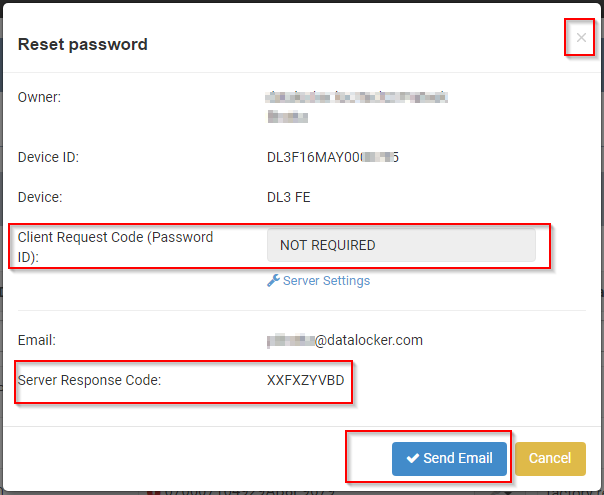
Enter a strong, unique password that meets the app’s complexity requirements. Confirm the new password by typing it again. Save the changes. The app may log you out of other devices for security, requiring you to log back in with the new credentials.
After completing the reset, test the new password by logging into the app on your primary device. If the hub is linked to other services like voice assistants or smart lights, you may need to re-authenticate those connections. Keep a record of your new password in a secure location, such as a password manager, to avoid future lockouts.
Use the physical reset button
When software access is completely locked out, the physical reset button is your only way back in. This hardware-level action forces the smart home hub to wipe its configuration and return to factory settings. It is the nuclear option for password recovery, distinct from a soft reset that merely restarts the device without deleting data.
Locate the reset mechanism on your hub. It is often a small pinhole on the back or bottom, labeled "Reset" or "WPS." You will need a paperclip or a SIM ejector tool to press it.
- Power on the hub. Ensure the device is plugged in and fully booted. A reset while powered off will not work.
- Press and hold. Insert the tool into the pinhole and press the button inside. Hold it down for 10–15 seconds.
- Watch for indicators. The LED lights will typically flash amber, red, or white in a specific pattern. This signal confirms the reset command has been received.
- Release and wait. Let go of the button. The hub will reboot, which may take several minutes. During this time, it is restoring default factory software.
Once the lights return to their normal standby state, the hub is ready for fresh setup. Use the manufacturer’s app to reconnect it to your network and re-pair your devices.
Troubleshoot failed resets
If the password reset flow stalls or rejects your input, the issue usually sits in the connection layer or the device’s software state. Smart home hubs rely on stable network handshakes to verify identity, and any interruption breaks the chain. When the hub cannot reach the authentication server, it returns a generic failure that feels like a wrong password but is actually a timeout.
Network timeouts and connectivity drops
A weak Wi-Fi signal or a congested router can cause the reset request to expire before the hub receives confirmation. This is the most common reason for silent failures where the screen shows "Processing" indefinitely.
Ensure the hub is within range of your primary router. If you are using a mesh system, verify the hub is connected to the backhaul network rather than a weak satellite node. Restarting your router can clear temporary IP conflicts that block the reset server’s response. Do not rely on the hub’s internal clock during this process; ensure it is synchronized via NTP, as certificate errors often stem from incorrect time settings.
Incorrect verification codes
Verification codes sent via email or SMS are time-sensitive and case-sensitive. If you request a new code while waiting for the first one to arrive, the system may invalidate the earlier attempts, leaving you with an expired token. Always check your spam folder, but do not request multiple codes in rapid succession.
Firmware and cache issues
Outdated firmware can cause compatibility issues with newer authentication protocols. If the reset button is unresponsive or the web interface hangs, the hub’s local cache may be corrupted. Holding the physical reset pinhole for 10-15 seconds forces a hard reboot, clearing temporary state errors. After the reboot, wait two minutes for the device to fully reconnect to the network before attempting the password recovery again. If the problem persists, check the manufacturer’s support page for known firmware bugs related to authentication.
Secure your new hub password
Setting a strong password is only the first step. To keep your smart home secure and prevent future lockouts, you need to establish good password hygiene and add an extra layer of defense. Think of your hub as the front door to your digital house; a strong lock helps, but a security system stops intruders even if they find a way in.
Create a strong, unique password
Avoid common words, names, or simple sequences like "123456". A strong password should be at least 12 characters long and include a mix of uppercase letters, lowercase letters, numbers, and symbols. Use a password manager to generate and store these complex strings so you don't have to memorize them. Never reuse your hub password on other accounts, such as email or social media.
Enable two-factor authentication (2FA)
Two-factor authentication (2FA) requires a second form of verification, such as a code sent to your phone or a biometric scan, in addition to your password. This means that even if someone steals your password, they cannot access your hub without the second factor. Most smart home hubs support 2FA through apps like Google Authenticator or Microsoft Authenticator. Check your hub's security settings to enable this feature immediately after resetting your password.
Keep your hub software updated
Manufacturers regularly release firmware updates to fix security vulnerabilities. Enable automatic updates in your hub's settings to ensure you always have the latest protection. Outdated software is a common entry point for attackers looking to exploit known weaknesses.
Review connected devices and users
Periodically check the list of devices connected to your hub and remove any that you no longer use. If you have shared access with family members or service providers, ensure they have appropriate permissions and change their passwords if they leave. This minimizes the risk of unauthorized access from compromised secondary accounts.
-
Use a unique, complex password with 12+ characters
-
Enable two-factor authentication (2FA)
-
Turn on automatic firmware updates
-
Remove unused devices and shared access
No comments yet. Be the first to share your thoughts!