

Lost Password? Don't Panic
Forgetting a Windows password is a headache, but it doesn't mean your files are gone. Unless you've encrypted your drive with BitLocker and lost the recovery key, your data is still sitting on the disk waiting for you to get back in.
Microsoft changed how account recovery works in the 2026 Windows 12 update, making local accounts harder to bypass while streamlining Microsoft account resets. Here is how to get back in without wiping your drive.
We’ll cover several techniques, starting with the easiest – using your Microsoft account if you have one. Then we’ll move on to local account recovery options, including security questions. Finally, we’ll explore more advanced methods, like the hidden Administrator account and bootable media, along with a discussion of third-party tools – but with a strong caution about their risks. Remember, the goal is to regain access without wiping your system.
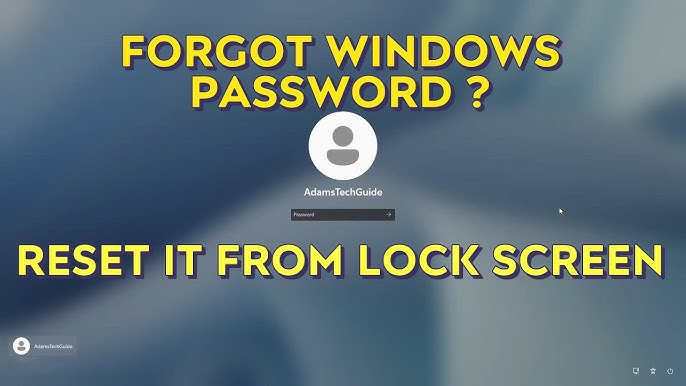
Microsoft account recovery
If you log into Windows 12 with a Microsoft account – the same one you use for Outlook, Xbox, or other Microsoft services – recovery is usually the most straightforward option. On the login screen, you’ll find a link that says "I forgot my password." Clicking this initiates the recovery process.
Microsoft will then present you with several verification methods to prove your identity. These typically include sending a security code to the email address associated with your account, sending a text message to your phone number, or using an authenticator app like Microsoft Authenticator. Choose the method that’s most accessible to you.
What happens if verification fails? Microsoft has a recovery form you can fill out, requiring detailed information to verify your ownership of the account. Be prepared to answer security questions and provide any associated email addresses or phone numbers. There’s often a waiting period – sometimes up to 24 hours – before you can regain access. If the form doesn’t work, you may need to contact Microsoft support directly.
The recovery process is a nightmare if your backup email or phone number is ten years old. I recommend checking your security settings now to ensure your recovery phone number is current. If you get locked out without updated info, you're stuck with a manual review form that takes 24 hours to process.
- Click the 'I forgot my password' link on the login screen.
- Select your preferred verification method (email, phone, authenticator app).
- Follow the on-screen instructions to reset your password.
Using security questions for local accounts
If you’re using a local account – one that isn’t linked to a Microsoft account – Windows 12 offers security questions as a recovery option. When you initially set up the local account, you should have been prompted to create these questions and answers. To reset your password, you’ll be asked to answer them correctly.
The process is fairly simple: on the login screen, after a few incorrect password attempts, you should see an option to answer your security questions. Answer them accurately, and you’ll be prompted to create a new password. However, the limitations of security questions are significant. They’re often easily guessed or forgotten, and can be bypassed with some effort.
If you fail the security questions, the options become limited. Windows may lock your account after repeated failed attempts. This can be a real problem if you’ve forgotten the answers. I’ve seen many people struggle with this, and it’s a good reminder of why keeping a record of your answers is important – but do so securely, not in plain text on your computer.
Windows 12 includes a hint feature for security questions, but it’s often vague. Consider using a password manager to store your security question answers securely if you find yourself consistently forgetting them.
The hidden administrator account
Windows 12 includes a hidden, built-in Administrator account that can sometimes be used to reset passwords for other accounts. However, this method requires another account with administrative privileges already enabled, or access to bootable media. The process involves enabling the Administrator account via the Command Prompt.
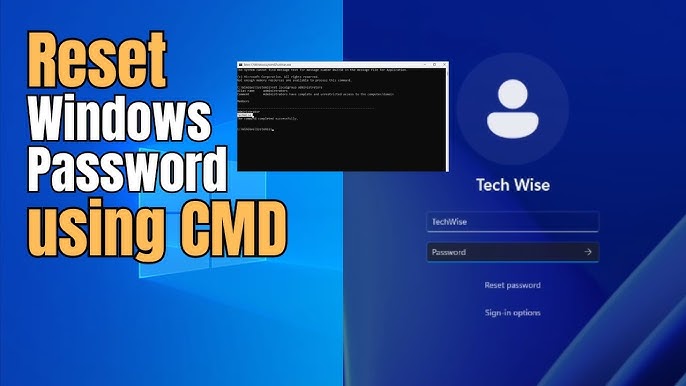
To enable the account, you’ll need to boot into an environment where you can access the Command Prompt with administrative rights. If you have another admin account, you can simply open Command Prompt as administrator and type `net user administrator /active:yes`. If you don't, you'll need to use bootable media (covered later).
Strongly emphasize this: Leaving the Administrator account enabled is a significant security risk. It has a blank password by default, making it a prime target for attackers. Once you’ve reset your password, immediately disable the Administrator account by running `net user administrator /active:no` in the Command Prompt.
After enabling the Administrator account, log in with it. From there, you can access Control Panel and reset the password for your locked account. This method is powerful, but it’s essential to understand the security implications. It’s a workaround, not a long-term solution, and should be used with extreme caution.
I want to be very clear: while this works, it's not foolproof and can introduce vulnerabilities if not handled correctly. The potential downsides outweigh the convenience for many users.
- Enable the Administrator account using the Command Prompt from a bootable USB.
- Log in to the Administrator account.
- Reset the password for your locked account through Control Panel.
- Disable the Administrator account immediately after resetting your password.
Password Reset Disks: A Proactive Solution
Creating a password reset disk – a USB drive containing information to reset your local account password – is a fantastic preventative measure. This only works for local accounts, not Microsoft accounts. You create the disk before you lose your password, so it’s a proactive step.
To create a reset disk, search for "create a password reset disk’ in the Windows 12 search bar and follow the on-screen instructions. You"ll need a USB drive with sufficient storage space. The process is straightforward and takes only a few minutes.
The importance of storing the USB drive in a secure location cannot be overstated. Treat it like cash or a valuable key. If it’s lost or stolen, anyone with access to it could potentially reset your password. While the disk itself doesn’t contain your password, it allows someone to create a new one.
This is, in my opinion, the single best way to protect yourself from being locked out of your local account. It's a small investment of time that can save you a lot of trouble down the road. Don't skip this step if you're using a local account.
The risks of third-party tools
Numerous third-party Windows password reset tools are available online. These tools often claim to bypass Windows security measures and reset your password without any data loss. However, I strongly caution against using untrusted software.
The risk of downloading malware or a virus from these sources is extremely high. Many of these tools are bundled with unwanted software, and some are outright scams designed to steal your data. Even seemingly reputable tools can pose a security threat.
If you choose to use a third-party tool, stick to well-known, reputable options like Lazesoft Recover My Password (though even with these, proceed with caution and scan the downloaded files with a reliable antivirus program). Always read reviews and research the tool thoroughly before downloading it.
Using these tools may also have legal implications, depending on your jurisdiction and the software’s terms of service. Be aware of the potential risks before proceeding, and understand that you're doing so at your own risk. I generally advise avoiding them altogether.
Windows 12 Password Reset Tool Comparison (2026)
| Method | Ease of Use | Security Risk | Data Privacy | Potential for Data Loss |
|---|---|---|---|---|
| Bootable Media (Official Windows Install/Recovery) | Requires technical skill | Low, if media source is trusted | Good, minimal external access | Lowest, if used correctly; potential for full system reinstall if misused |
| Online Password Reset Services | Generally easier | Medium, relies on service provider security | Variable, review provider policies carefully | Low, typically avoids data loss but depends on service |
| Downloadable Password Reset Software | Moderate, software installation required | Medium to High, potential for malware | Variable, review software permissions and policies | Low to Medium, depends on software and user skill |
| Built-in Windows Recovery Environment | Moderate, requires navigating recovery options | Low, part of the operating system | Good, limited external access | Low, designed for recovery without data loss |
| Third-Party System Recovery Disks | Moderate, requires disk creation beforehand | Medium, depends on disk creator's security | Variable, check disk contents and provider policies | Low to Medium, depends on disk functionality |
| Local Account Password Hint | Easiest, if hint is effective | Lowest, only useful if hint is sufficient | Highest, hint is visible locally | None, only aids in remembering existing password |
| Microsoft Account Reset (if linked) | Easy, web-based recovery | Medium, relies on Microsoft account security | Moderate, data linked to Microsoft account | Low, typically avoids data loss |
Qualitative comparison based on the article research brief. Confirm current product details in the official docs before making implementation choices.
Bootable Media: A Last Resort
Creating bootable media – a USB drive or DVD with a Windows installation environment – is a more advanced technique for resetting your password. This allows you to access the command prompt outside of the normal Windows environment, giving you the power to modify system files.
You’ll need to download the Windows 12 Media Creation Tool from Microsoft’s website and use it to create the bootable media. Be sure to select the correct version of Windows 12 that matches your installation. The process involves formatting the USB drive, so back up any important data on it beforehand.
Once you’ve created the bootable media, boot your computer from it (you may need to change the boot order in your BIOS settings). In the Windows Setup environment, press Shift + F10 to open the Command Prompt. From there, you can use the `net user` command to reset your password, similar to the hidden Administrator account method.
This process is more complex and carries a higher risk of data loss if not performed correctly. Always back up your important data before attempting this method. Incorrect commands can potentially damage your system. I recommend researching each step thoroughly before proceeding.
It’s also worth noting that the exact commands and procedures may vary slightly depending on your specific Windows 12 configuration. This should be considered a last resort, attempted only if other methods have failed.
What is your biggest struggle with managing passwords?
We want to help you stay secure and stress-free. Vote below and let us know where you face the most difficulty when it comes to password management!
No comments yet. Be the first to share your thoughts!