

Lost Password? Don't Panic.
If you're locked out of Windows 12, you have a few ways back in even without an admin account. It's a hassle, but usually fixable if you have a Microsoft account or a recovery drive handy.
This guide will walk you through the different methods available, from leveraging your Microsoft account to utilizing password reset hints and, if necessary, exploring third-party tools. We’ll cover what you can do when you're locked out and how to minimize the chances of it happening again. Be prepared to spend some time on this, as some methods require verification and aren’t instantaneous.
We'll focus on options that work in 2026, keeping in mind the evolving security features of Windows 12. Expect a thorough exploration of Microsoft account recovery, local account hints, the utility of a pre-made recovery drive, and the more advanced, but potentially risky, world of offline password reset tools.
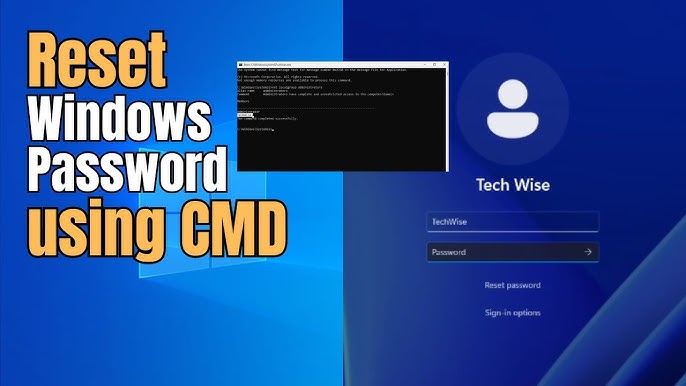
Microsoft account recovery
If you log in to Windows 12 with a Microsoft account – the one you use for services like Outlook, OneDrive, and Xbox – recovery is typically the easiest route. Head to the Microsoft support website () to begin the process.
You'll be guided through a series of security verification steps. This usually involves receiving a security code via email or phone number associated with your account. If these methods fail, you’ll be presented with a recovery form. This form asks for detailed information to verify your identity. Be as accurate as possible; even small discrepancies can lead to rejection.
The recovery form is the hardest part. Microsoft needs proof you own the account, so list every old password, creation date, and linked email you can remember. Recovery isn't instant; expect a wait of a few days or even weeks if a human has to review your request.
I've found that having a recovery email address separate from the main account is incredibly helpful. It provides an alternative verification route if you lose access to your primary email. Don’t underestimate the importance of keeping your security information up-to-date within your Microsoft account settings.
Local account password hints
Windows 12 allows you to create password reset hints for local accounts – those not linked to a Microsoft account. These hints are displayed on the login screen when you enter an incorrect password. They're intended to jog your memory, but they must be set before you forget your password.
To find these hints, simply enter an incorrect password on the login screen. If a hint was created, a link will appear below the password field. Keep in mind that these hints are visible to anyone with physical access to your computer, so avoid revealing the actual password in your hint.
The security of these hints is limited. They’re stored locally on your computer and aren’t encrypted. A clever observer could potentially deduce your password from a poorly chosen hint. It’s better to use them as a general reminder of the password’s structure or origin rather than providing direct clues.
Using a Recovery Drive (If You Prepared)
If you proactively created a recovery drive, you’re in a good position to reset your local account password. A recovery drive is a USB drive containing a bootable environment that allows you to access system recovery tools. It’s a lifesaver, but it requires prior preparation.
To use it, boot your computer from the recovery drive. You may need to adjust your BIOS settings to change the boot order. Once booted, navigate to the 'Troubleshoot' section, then 'Reset this PC', and finally choose the option to reset your password. The process will guide you through resetting your local account password.
Creating a recovery drive is straightforward. In Windows 12, search for 'Create a recovery drive' and follow the on-screen instructions. You’ll need a USB drive with at least 16GB of storage. Keep this drive in a safe place, as it’s your key to password recovery.
Here’s a quick step-by-step guide: 1. Search for 'Create a recovery drive' in the Windows search bar. 2. Select the drive you want to use. 3. Check the box 'Back up system files to the recovery drive'. 4. Click 'Create'. This process can take some time, so be patient.
- Type 'Create a recovery drive' in the taskbar search.
- Select the drive you want to use.
- Check the box 'Back up system files to the recovery drive'.
- Click 'Create'.
Offline account unlockers
For more technically inclined users, third-party tools like Offline NT Password & Registry Editor can be used to reset local account passwords. These tools boot your computer from a USB drive and allow you to modify the Windows registry directly to bypass the password requirement.
However, proceed with extreme caution. Using these tools carries risks, including potential data loss and security vulnerabilities. It’s essential to download these tools from reputable sources and understand the potential consequences before proceeding. Using these tools is entirely at your own risk.
The basic process involves downloading the tool, creating a bootable USB drive, and booting your computer from that drive. Once booted, you’ll be presented with a command-line interface where you can select the account you want to unlock and reset the password. Be precise with your commands, as incorrect entries can damage your system.
I’m not sure about the current reliability of these tools with Windows 12. Microsoft frequently updates its security measures, and these tools may not always be compatible. Thorough research and testing are crucial before attempting this method. Always back up your data before making any changes to the registry.
Command Prompt (Limited Use Cases)
The command prompt is rarely a viable option for password resets without administrator access. While the `net user` command can be used to manage user accounts, it typically requires elevated privileges to change passwords. It's a common search term, but often a dead end.
Attempting to use the command prompt without admin rights will likely result in an "Access denied" error. Even if you can access the command prompt, the necessary commands to reset the password are usually restricted. This method is generally not effective for password recovery without administrator credentials.
Prevention: Strengthening Account Security
The best approach to password issues is prevention. Practice strong password hygiene: use a combination of uppercase and lowercase letters, numbers, and symbols. Avoid using easily guessable information like birthdays or pet names. Consider using a password manager to generate and store complex passwords.
Enable two-factor authentication (2FA) for your Microsoft account. This adds an extra layer of security by requiring a code from your phone or email in addition to your password. I feel strongly that 2FA is one of the most effective ways to protect your account. Create a recovery drive as soon as you set up Windows 12. Regularly update your security information associated with your Microsoft account.
Remembering your Microsoft account details is crucial. Keep a record of your email address, phone number, and recovery options in a safe place. Taking these proactive steps will significantly reduce the risk of being locked out of your account in the future.

No comments yet. Be the first to share your thoughts!