

Fixing 6G connection drops
If your Galaxy S26 Ultra won't stay on 6G or the speeds feel sluggish, you aren't alone. It's frustrating to pay for a high-end data plan only to see your connection drop to LTE or stall entirely. Usually, this is a software glitch rather than a hardware failure.
Network resets are often the first line of defense when dealing with connectivity problems. It might seem counterintuitive to "reset’ something on a brand new phone, but software glitches or incorrect settings can definitely interfere with your connection. Think of it like restarting your computer – often, that"s enough to clear up temporary issues.
This guide will walk you through a series of troubleshooting steps, starting with the simplest solutions and moving towards more comprehensive resets. We'll cover everything from basic checks to a full factory reset. We aim to give you the tools and knowledge to resolve your 6G connectivity issues and get back to enjoying the fast speeds you expect from your Galaxy S26 Ultra.
Start with the basics
Before you start messing with settings, let’s cover the easy stuff. First, toggle Airplane Mode on and off. This forces your phone to re-establish a connection with the network. It’s a surprisingly effective quick fix. Next, ensure that mobile data is actually enabled in your settings – it’s easy to accidentally turn it off.
Double-check that your SIM card is properly inserted. A loose SIM can cause intermittent or complete loss of connectivity. If you've recently swapped SIMs, this is especially important to verify. Also, it's worth checking for software updates. While a reset might be needed because of a software problem, an available update could contain a fix.
Check the Verizon coverage map to make sure 6G is actually live in your current zip code. If you're on the edge of a coverage zone, the phone often drops to 5G to save battery or maintain a stable signal.
Resetting Network Preferences
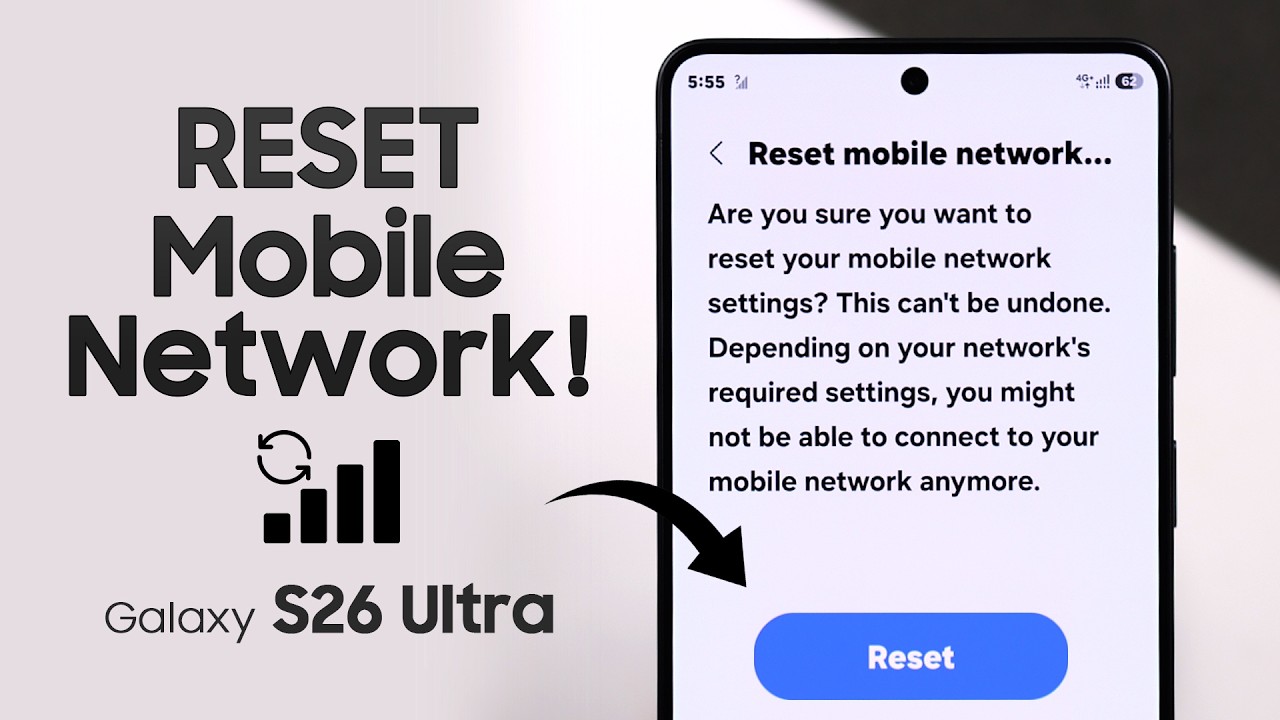
Resetting network preferences is a relatively mild reset option that clears all saved Wi-Fi passwords, Bluetooth pairings, and mobile network settings. It doesn’t erase any personal data like photos, videos, or apps. This is a good first step if you suspect a corrupted network configuration is the culprit.
To perform a network preferences reset on the Galaxy S26 Ultra, navigate to Settings > General Management > Reset > Reset Network Settings. You’ll likely be prompted to enter your PIN, pattern, or password for security. The phone will then restart and apply the changes.
Be aware that after this reset, you’ll need to re-enter all your Wi-Fi passwords and re-pair your Bluetooth devices. It’s a bit of a hassle, but it’s far less disruptive than a full factory reset. If you've connected to many Wi-Fi networks, it's a good idea to have those passwords readily available before starting the reset.
- Open Settings and tap General Management
- Select General Management.
- Tap Reset.
- Choose Reset Network Settings.
- Confirm your choice.
Check your APN settings
APN, or Access Point Name, settings tell your phone how to connect to your carrier’s network. Incorrect APN settings can definitely cause connectivity issues, even if everything else seems to be in order. These settings are usually configured automatically, but sometimes they need to be adjusted manually.
To access APN settings on the Galaxy S26 Ultra, go to Settings > Connections > Mobile Networks > Access Point Names. You'll see a list of APNs. Verizon’s default APN settings, as of late 2026, are generally: Protocol: IPv4/IPv6, APN: vzwinternet, MMSC: MMS Proxy: 67.186.235.136, MMS Port: 80, MCC: 310, MNC: 260, Authentication type: PAP.
You should only need to manually configure APN settings if you’ve switched carriers or if your carrier has specifically instructed you to do so. Incorrect APN settings can completely prevent you from accessing mobile data, so be careful when making changes. If you’re unsure, it’s best to leave the settings at their default values.
Factory Reset: Last Resort
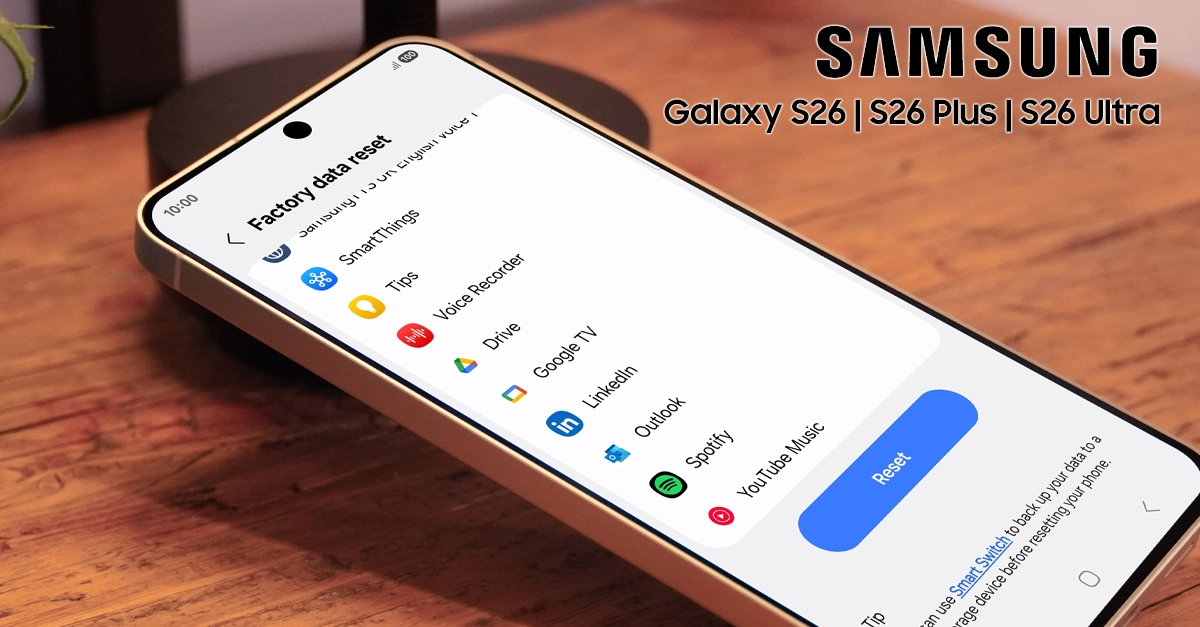
A factory reset should be considered a last resort. This is the most drastic option, as it will erase all data on your phone, returning it to its original factory settings. This includes apps, photos, videos, contacts, and everything else. It’s crucial to back up your data before proceeding.
To perform a factory reset, go to Settings > General Management > Reset > Factory Data Reset. You’ll be prompted to enter your PIN, pattern, or password. The phone will then restart and begin the reset process. This can take several minutes, so be patient.
Before initiating a factory reset, ensure you have a recent backup of your data to Samsung Cloud, Google Drive, or a computer. After the reset, you can restore your data from the backup. This is a time-consuming process, but it’s the only way to guarantee a clean slate and potentially resolve deeply rooted software issues.
Troubleshooting Persistent 6G Issues
If you've tried all of the above steps and are still unable to connect to 6G, it's possible that there’s a hardware problem with your phone or an issue with Verizon’s network. Contacting Samsung support or Verizon customer service is the best course of action at this point.
A faulty SIM card could also be the culprit. Try inserting your SIM into another compatible phone to see if the problem persists. If it does, you may need to request a replacement SIM from Verizon. It's also possible that there's a problem with the phone’s antenna, although this is less common.
No comments yet. Be the first to share your thoughts!